

For professional ultrarunner Aaron Saft, the journey to a 100-mile finish can be just as demanding as the race itself. This year, the Asheville, North Carolina-based runner decided to make meeting his running goals across the country a lot more comfortable and flexible: purchasing an RV.
For Saft, the Rocky Mountain Slam, a grueling series of four 100-mile races across the Mountain West he first completed in 2023, was the catalyst for his RV purchase. He had already experienced just how quickly the costs of flights, hotels, rental cars, and other travel expenses can add up when training and racing thousands of miles from home, sometimes for weeks at a time.
This time, he wanted a different approach.
“I knew I was going to be doing a lot of traveling out west, and I knew how expensive it could get,” Saft says. “An RV just made sense.”
Key Takeaways
- Cost Efficiency: Using an RV significantly reduces the recurring expenses of flights, hotels, and rental cars during multi-month racing and training circuits.
- Logistical Freedom: Mobile living eliminates rigid itineraries, allowing athletes to adapt instantly to race cancellations (like wildfires) and remote work requirements.
- Optimized Nutrition & Recovery: Having a personal kitchen and full gear storage on-site ensures consistent pre-race nutrition and fuss-free equipment organization.
- Family Integration: An RV creates a comfortable mobile basecamp that enables families to travel together and turn grueling race seasons into shared adventures.
What Type of RV Do Professional Ultrarunners Use?
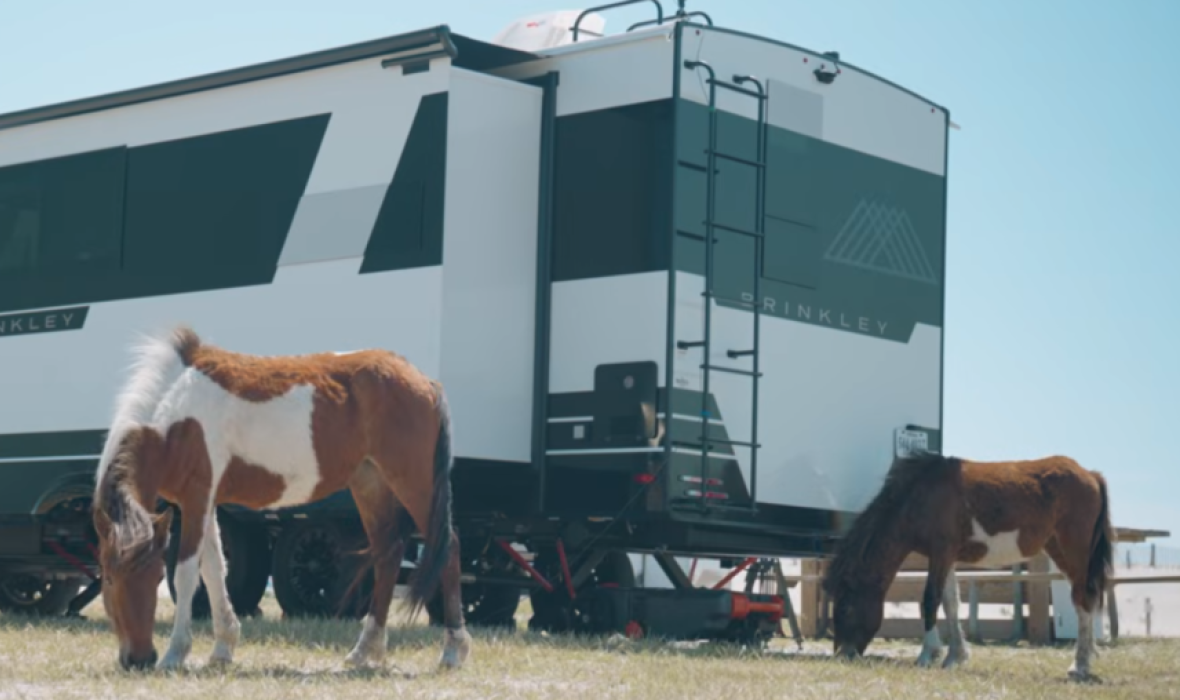
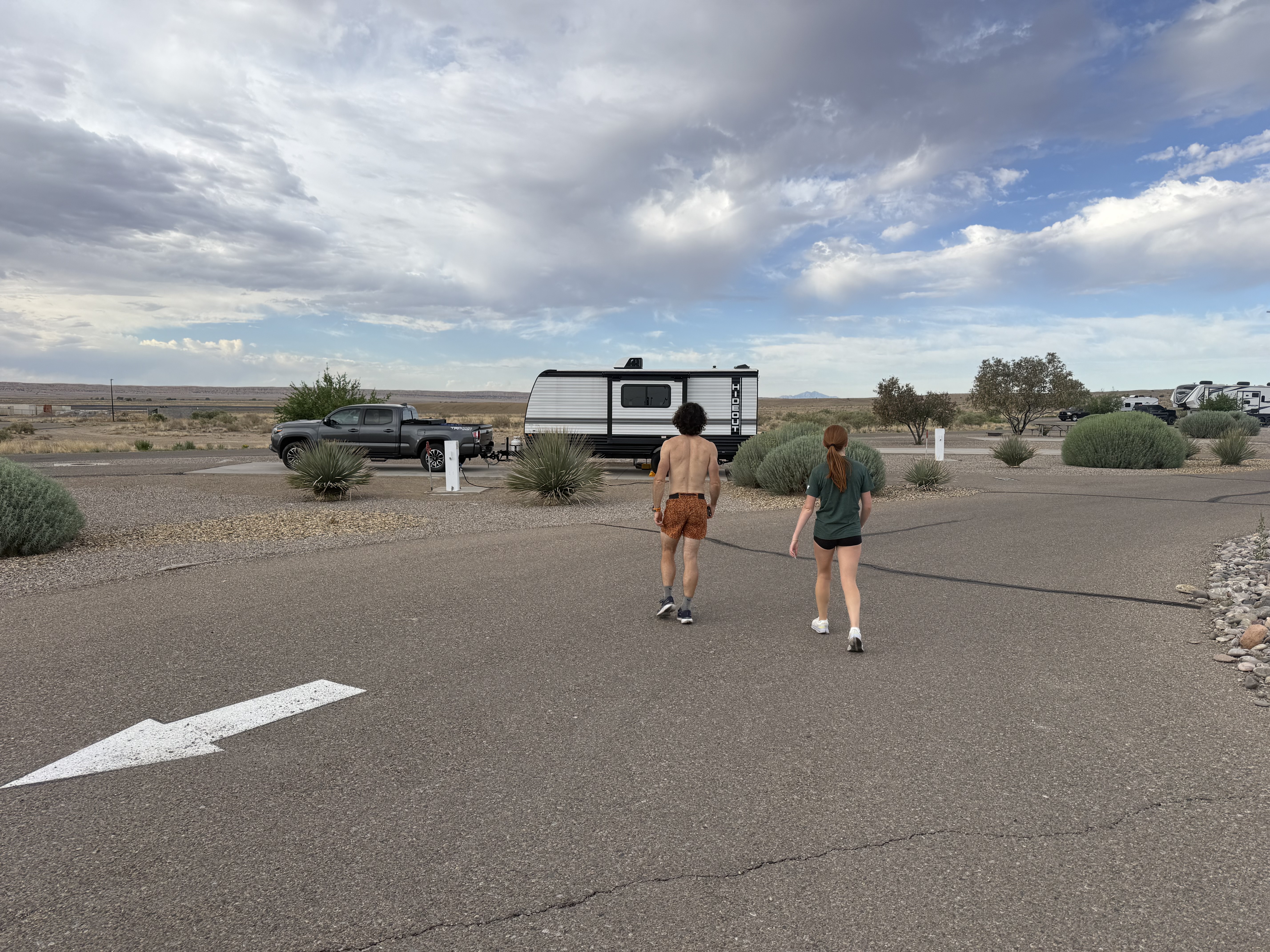
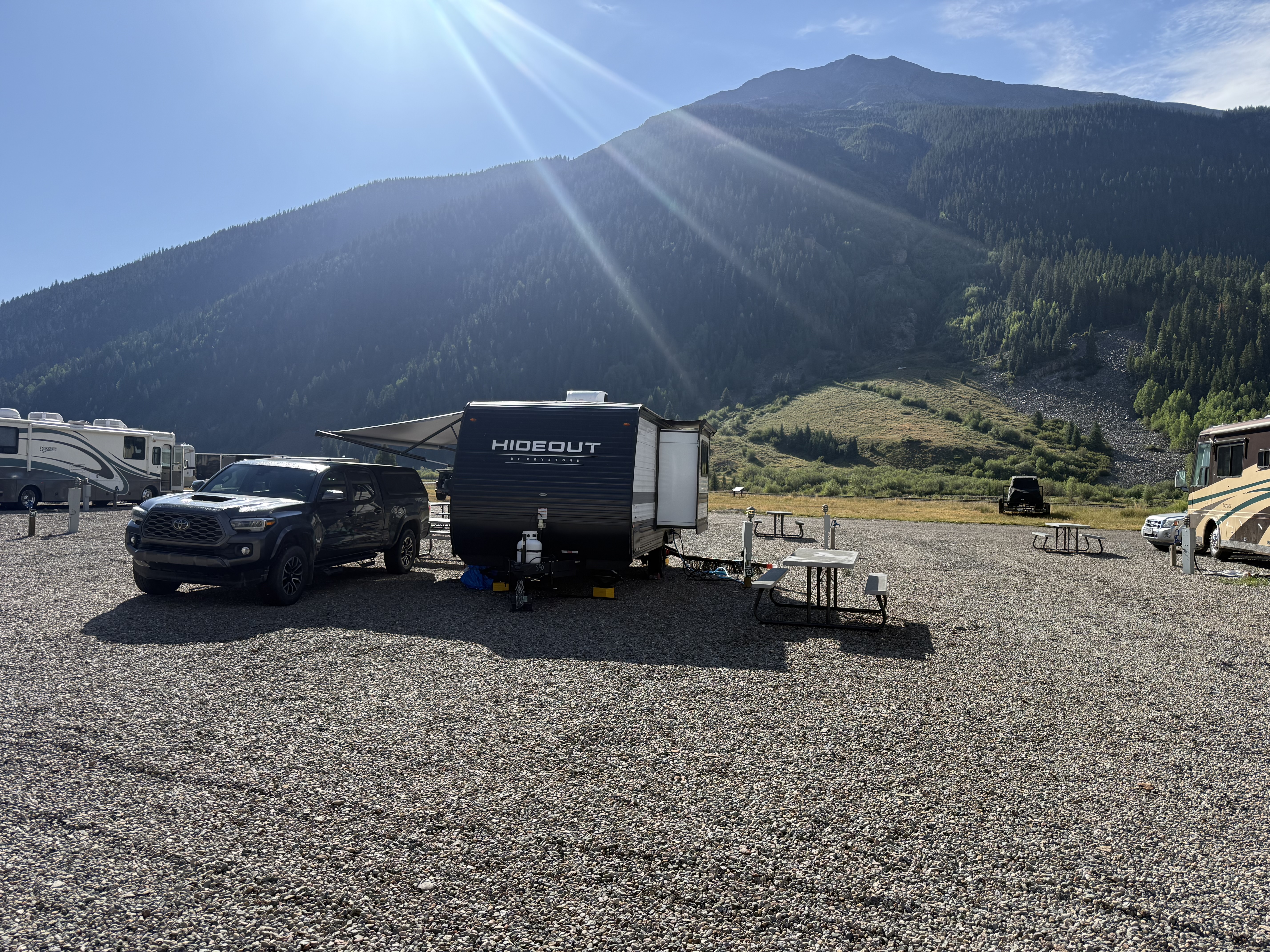
Saft and his family settled on a Keystone Hideout travel trailer, pairing it with a Toyota Tacoma to tow it. While the upfront investment was significant, he knew the RV would see plenty of use—not just during race weekends, but throughout his training and travel.
Although his wife originally preferred the comfort of hotels and short-term rentals, Saft was confident he could win her over with a trailer that fit their family's needs, offered personal touches, and was easy to tow.
“Van life wasn't going to work for us because it's too small,” Saft says. “The slides in our Hideout changed our world.”
With more living space, storage, and the amenities his family wanted, the RV quickly became more than a place to sleep between races. It became basecamp on the road.
Why Take It Slow on the Open Road?
Saft's first RV trip took them west to Idaho in June. Rather than race through the miles to reach their destination, the family took two weeks to make the journey.
His daughter wanted to see Jackson Hole, Yellowstone National Park, and Grand Teton National Park, so they built those experiences into the trip.
“There was no rush to get there,” Saft says.
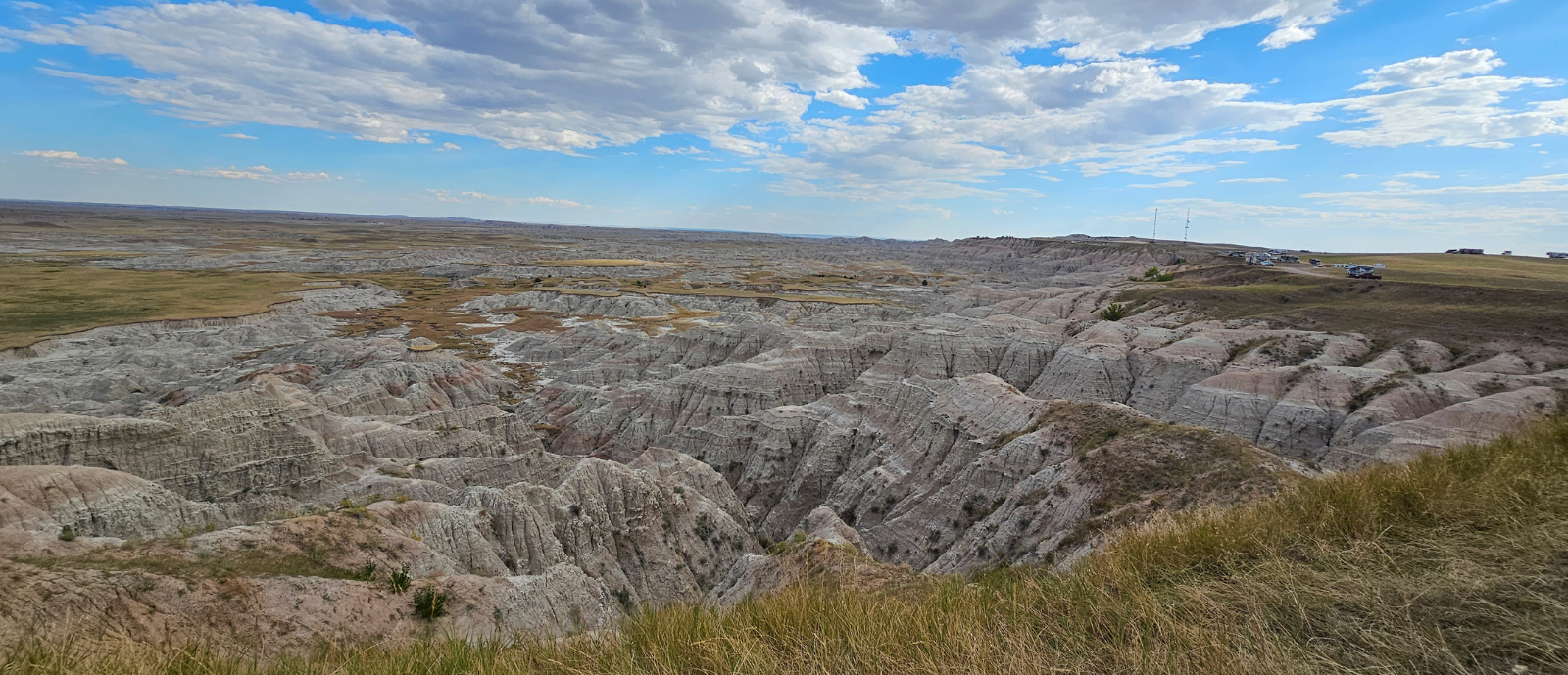
That same philosophy carried into his second extended RV trip of the summer. In July, Saft headed back west to Colorado for a month-long stretch of training, racing, and remote work. When the Ouray 100 was canceled because of wildfires, he adjusted his plans and spent time camping on his own in Crested Butte, Silverton, and Gunnison.
Once again, there was no need to hurry.
He could work remotely, train when he needed to, and leisurely move from one mountain community to the next without worrying about a rigid itinerary, buying plane tickets, or if hotels were booked out.
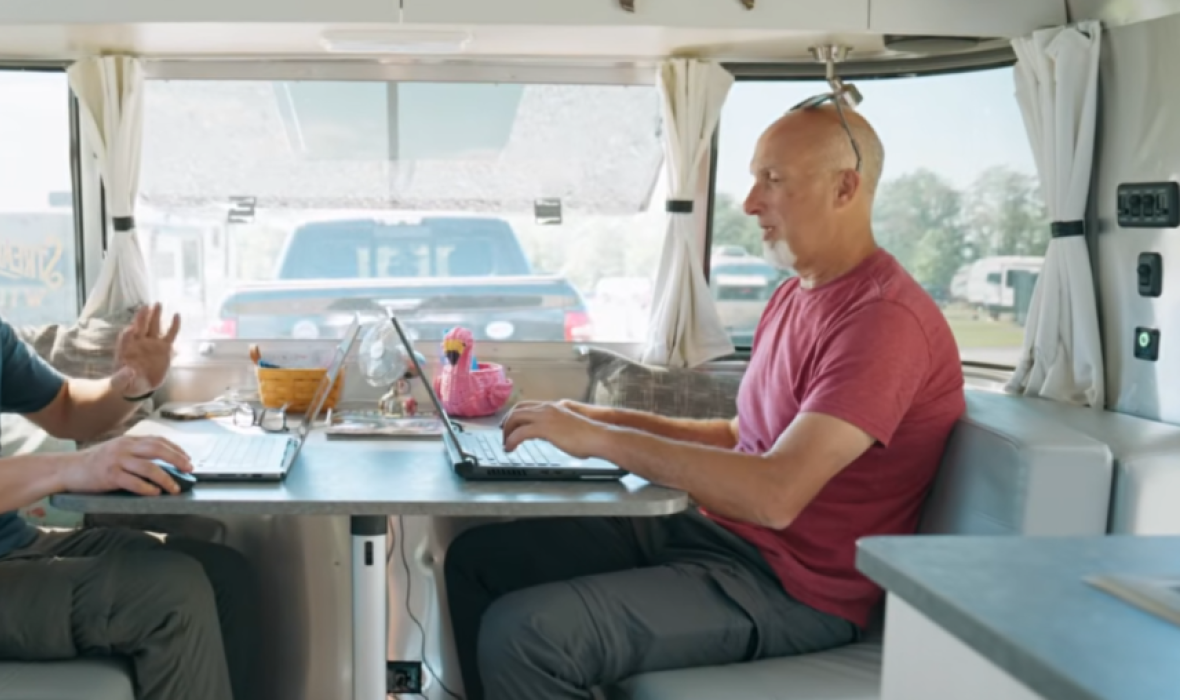
“I love the freedom of RVing,” Saft says. “I can wake up, have a cup of coffee brewed from my favorite beans, hit the trail right out the door, return and refuel the way I need to for peak performance, and catch up on work–all right at the RV.”
How Does an RV Help with Ultrarunning Training and Recovery?
For an ultrarunner, having a comfortable and reliable basecamp near the action can make a big difference.
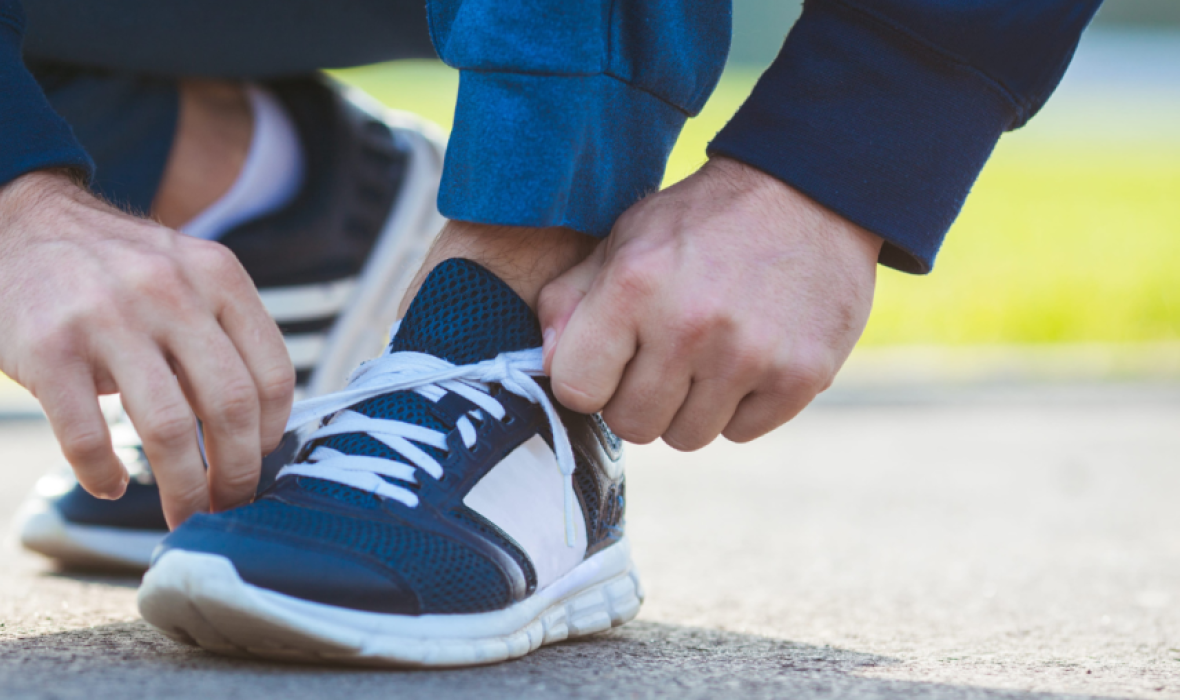
Instead of traveling from a hotel to a trailhead or race starting line, Saft can bring the comforts of home with him. His RV allows him to train and race close to the trails, while keeping everything he needs—from running shoes and clothing to nutrition and recovery gear—within reach.
The storage space has been especially valuable.
“I have a lot of running gear,” Saft says. “The storage capacity in my RV is huge and allows for maximum, fuss-free organization.”
Having his own kitchen also means Saft can prepare his meals and running fuel exactly the way he wants, rather than relying on restaurants or whatever food happens to be available along the way (which can be slim pickings in small towns).
And because his family and running crew can join him, the RV creates a mobile support system without adding significant lodging costs for everyone.
For someone tackling 100-mile races, especially back-to-back, that kind of cost-savings and flexibility can be invaluable.
How Does the Campground Experience Enhance RV Travel?
While Saft bought an RV for practical reasons, he's discovered that the campground experience is just as rewarding.
He appreciates clean campgrounds and the friendliness of fellow RVers, but one of his favorite parts is simply watching other campers go about their routines.
“I love watching people set up and take down,” he says.
During one stop, a music festival was happening in the same area as the Crazy Mountain 100. The festival atmosphere spilled over into the campground, creating an unexpected boost of energy as Saft prepared for his race.
For an athlete facing 100 miles on foot, a little extra good energy can go a long way.

How Does Ultrarunning Minimalism Translate to RV Life?
After years of endurance running, Saft has learned that success often comes down to knowing what you actually need—and leaving the rest behind.
That mindset translates surprisingly well to RV travel.
“As an ultra runner, you become a minimalist,” Saft says. “You can't carry everything you think you want or need when pursuing these tough, mountainous 100-milers. You have to learn how to do more with less.”
The RV may offer significantly more space than a suitcase, but Saft still finds himself applying that same philosophy. Everything has a purpose, and thoughtful organization makes life on the road easier.
For him, it's another way that running and RVing complement each other.
How Does RV Travel Turn Race Trips into Family Memories?
Saft knows buying an RV—and a vehicle capable of towing it—was an initial investment. But with the amount of training and racing he does, he knows it will pay off over time by reducing the costs and complications of traveling for races.
More importantly, it's changing how his family experiences those trips.
Instead of rushing from home to race and back again, they can linger. They can explore places they might otherwise pass by. They can work, train, eat, relax, and spend time together—all from the same home base. “The RV lifestyle allows us to be more present,” Saft says.
RVing gives him the freedom to chase miles across the country while bringing the people, gear, and comforts that make those miles possible along for the ride. And with another season of races ahead, he has found a way to make the journey itself part of the adventure.

Frequently Asked Questions
Q: Why do ultrarunners use RVs for race travel?
A: RVs provide a cost-effective, flexible mobile basecamp that eliminates the need for hotels and rental cars. They allow runners to stay close to trailheads, maintain strict nutrition regimens, and travel comfortably with extensive gear across multiple race locations.
Q: What RV and towing setup does professional ultrarunner Aaron Saft use?
A: Aaron Saft uses a Keystone Hideout travel trailer paired with a Toyota Tacoma to tow it, providing the living space, slide-outs, and storage capacity needed for family travel and athletic training.
Q: How does RVing help athletes manage remote work and training?
A: RV travel offers the flexibility to move leisurely between mountain communities, providing a reliable space with modern amenities where athletes can work remotely, cook their own meals, and step right out the door onto training trails.
Q: Are travel trailers or vans better for long-distance athletic training trips?
A: For families and extended trips, travel trailers with slide-outs (such as the Keystone Hideout) offer significantly more living space and storage capacity than smaller campervan setups, which are more ideal for one or two people.