
Travel Guides

Travel Guides
The Loneliest Road in America: Why Nevada's Highway 50 Isn't Lonely at All
A 400-mile road trip across Nevada that proves the most "empty" road in America might be the fullest of all.
Overview
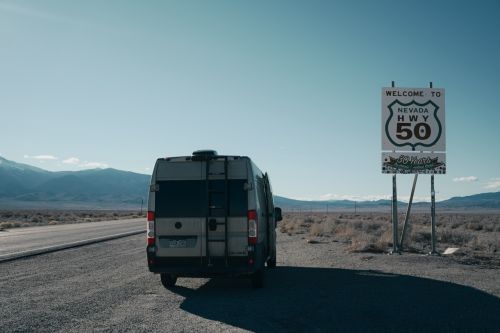
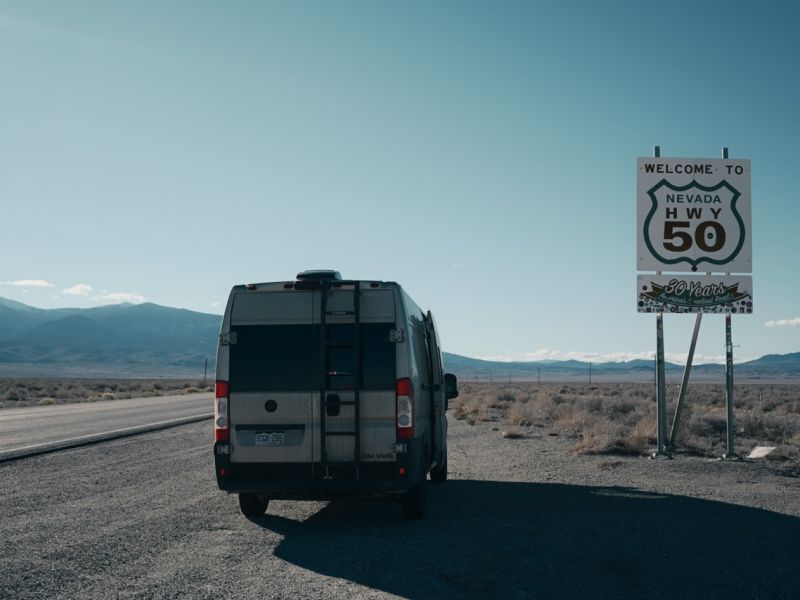
In 1986, Life Magazine called Nevada's stretch of Highway 50 "The Loneliest Road in America." The title stuck. And if you've heard anything about the route, it's probably been some version of: there's nothing out there. No, really. We mean nothing.
That's exactly what I expected going in. Empty stretches, quiet miles, maybe a little eerie to be alone on the loneliest road in America. But somewhere between Baker and Carson City, that whole idea unraveled. Because the truth is, it's not lonely at all. You just have to look in the right places.
WHAT IS THE LONELIEST ROAD IN AMERICA?
US-50 runs coast to coast, but the Nevada portion is what earned the nickname. Long stretches without service (both cell and in-person stations), wide-open basins, and mountain ranges that seemed to repeat endlessly made the drive feel isolating, especially decades ago.
Today, it's still remote, but it's far from empty. What you actually find is a series of small towns, unexpected stops, and moments that make the drive feel more connected than isolated. And some of these towns with a population of 17 felt less lonely than a city of three million. Let that one soak in for a minute.
THE ROUTE: BAKER TO CARSON CITY
The most iconic stretch runs from Baker in eastern Nevada to Carson City in the west. About 400 miles of high desert, mountain passes, and everything in between. Driving east to west gives you the best progression: starting rugged and remote and then slowly easing back into civilization.
If you want to extend the trip, finishing at Lake Tahoe is worth it. After days of desert landscapes, arriving at sparkling alpine water feels like a completely different world.
LODGING
Lodging on this route runs the full spectrum: a quiet RV park in a tiny gateway town, a developed national park campground, a wide-open hot springs camp on BLM land, and a classic roadside saloon-and-camp combo. Here are recommended accommodations:
1) Whispering Elms Campground (Baker, NV): A small, friendly RV park right in Baker with full hookups, just minutes from the entrance to Great Basin National Park. They also offer full lodging accommodations, coin laundry, and showers. This offers an easy first night to settle in before heading into the park. Open year-round.
2) Lower Lehman Creek Campground (Great Basin National Park, NV): The most RV-accessible campground inside the park with large, paved, pull-through parking at six of the nine camping sites. A great option if you want to wake up inside a national park.
3) Spencer Hot Springs (dispersed BLM camping near Austin, NV): Tucked about 7 miles off the highway on a dirt road, with natural hot springs, big sky, and wild burros that wander right through camp. No hookups, no fee, no reservations. Just pack out what you pack in.
4) Middlegate Station (between Austin, NV, and Fallon, NV): A classic Nevada roadside stop. Camping out back, a saloon up front, and the Monster Burger that lives up to its name.
Where to Stay:
Whispering Elms Campground (Baker, NV)
Address: 120 N Baker Ave, Baker, NV 89311, USA
Phone Number: (775) 234-9900Lower Lehman Creek Campground (Great Basin National Park, NV)
Address: Wheeler Peak Scenic Dr, Baker, NV 89311
Phone Number: (775) 234-7331Spencer Hot Springs (dispersed BLM camping near Austin, NV)
Address: Spencer Hot Springs, Austin, NV 89310
Phone Number: (775) 964-2200Middlegate Station (between Austin, NV and Fallon, NV)
Address: 42500 Austin Highway, Fallon, NV 89406
Phone Number: (775) 423-7134
Day 1
Baker → Great Basin National Park → Ely
The adventure starts in Baker, and the town sets the tone perfectly. Quiet, a little rugged, and feels like the edge of something bigger. The kind of place where, if you didn't know better, you'd just keep driving through.
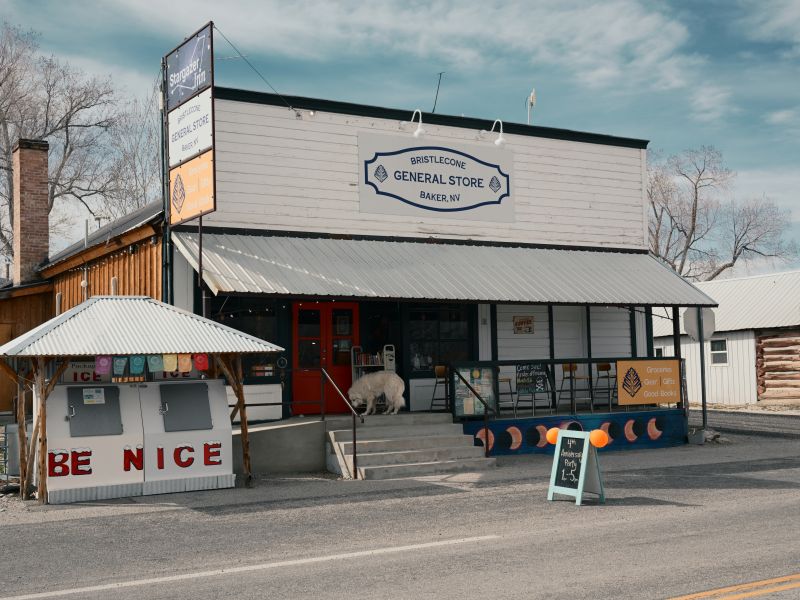
Before you start the road trip, stop into the general store on the outskirts of town. It's only open 1–5 pm PST, so make sure your phone is in the right time zone. Mine kept switching back and forth, and there's a clock posted on the outside of the store for exactly that reason. While you're in here, grab the Highway 50 "passport." It's a simple booklet you can stamp along the way, but it turns the drive into something more interactive, like you're part of the road, not just passing through it.
Stock up on goodies, grab a book or two for the quiet nights, and order an iced coffee to go. If you're lucky, you might stop by during an anniversary party as I did. I was welcomed by about half the town (all seven people), sewed part of a quilt that's now hanging in the shop, and got to swap stories with everyone there.
Great Basin National Park
Right outside Baker is Great Basin National Park, and honestly, this alone makes the trip worth it. It's one of the least visited national parks in the country, which means you get something rare – you get the park pretty much to yourself.
The landscape shifts fast here. Desert floor to alpine peaks, all in a single afternoon. One moment you're baking in the sun in town, the next you're in pine forests with snow on the ground that smell like Christmas.
A few not-to-miss stops inside the park:
1) The Bristlecone Pine Trail. These trees are some of the oldest living things on Earth. Standing among them puts time into perspective in a way that's hard to explain.
2) Lehman Caves. A guided tour adds a completely different layer to the park. Seasonal closures. Worth booking ahead.
3) Stella Lake or Snake Canyon. If conditions allow, both are great half-day options.
Plan to spend at least half a day in the park. You'll think you'll stop for an hour and end up staying through dinner. Make sure you check the National Park website to verify the right hours and openings during certain seasons.
On to Ely
The drive from Great Basin to Ely is your first real stretch of open road, but it doesn't feel overwhelming after a morning in the park. Ely is a railroad town at its core, and that history is still very much alive. The Nevada Northern Railway Museum is the highlight (you can actually drive a vintage steam train yourself (around $1,000 for the experience). Even if you don't book that, walking through the museum gives you a sense of how this part of the country was built.
Ely is the perfect overnight: food, fuel, and enough going on to reset before heading deeper into Nevada.
Where to Stay
Cave Lake State Park: A bit more off the beaten path from the small town of Ely, with picturesque views. Reservations or first-come, first-serve basis.
Day 2
Ely → Eureka → Spencer Hot Springs
This is where the road starts to feel like what you imagined. Long stretches, zero traffic, and big, open landscapes. It's also where it starts to feel the most rewarding.
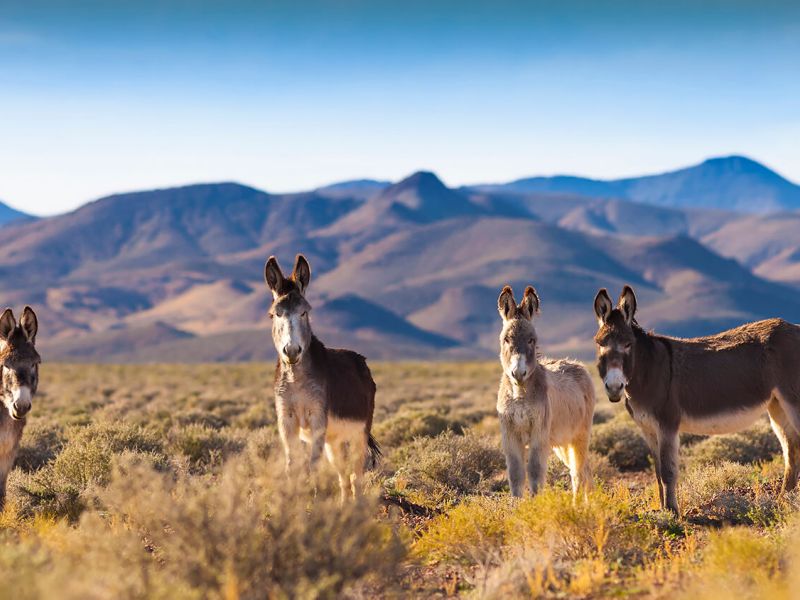
Wild burros. Photo credit to Travel Nevada.
Eureka
Eureka feels like a preserved version of the Old West. Wooden storefronts, quiet streets, and almost nothing going on (in the best way). It's the kind of place where you slow down without trying to. You walk a little slower, notice more, and realize that the pace of the trip is starting to shift. There's nowhere you have to be.
Spencer Hot Springs
If there's one stop that defines this drive, it's Spencer Hot Springs. Tucked about 7 miles off the highway on a dirt road, it's both surreal and grounding.
You can camp here, soak in natural hot springs, and hang out with wild burros that roam the area freely. They don't keep their distance, either. They come right up to you (even if you have a dog).
This is where the idea of "lonely" completely disappears. I wasn't sure how I'd feel down a dirt road off the highway, but the second I arrived, all that worry faded. You're surrounded by other hot springs goers, animals, and easy conversation, on a long evening soaking under the stars.
Plan to stay the night. The sunset alone is worth it.
Where to Stay
Spencer Hot Springs (dispersed BLM camping near Austin, NV): Tucked about 7 miles off the highway on a dirt road, with natural hot springs, big sky, and wild burros that wander right through camp. No hookups, no fee, no reservations. Just pack out what you pack in.
Day 3
Austin → Middlegate Station → Fallon
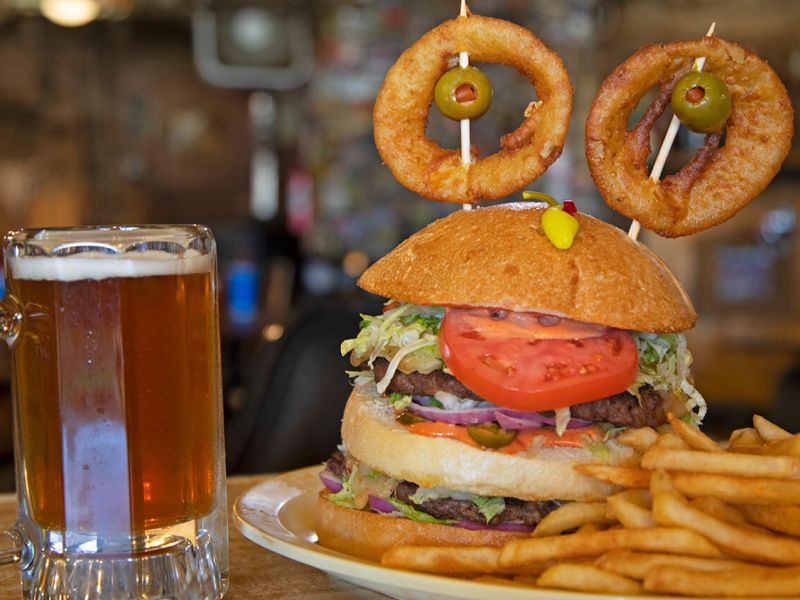
Middlegate Monster Burger. Photo credit to Travel Nevada.
Austin
Austin sits perched on a mountainside, and it feels like a town that refuses to fade away. Small, but with character everywhere you look.
A stop I didn't expect to love as much as I did: Little Bluebird Turquoise. The couple who owns it not only sells turquoise from different mines, they also mine their own. They were a joy to talk to. I spent way too long in the shop staring at all the gems, then staring some more, before deciding on a pair of earrings made from the owner's own mine. It felt right to support and remember exactly why I bought that pair on the loneliest road in America.
Just up the hill from Austin is Stokes Castle. It’s a random, completely-out-of-place stone tower with a view over the whole valley. A short drive, a quick walk, and a glimpse into a piece of Nevada history most people would never expect to find out here.
Middlegate Station
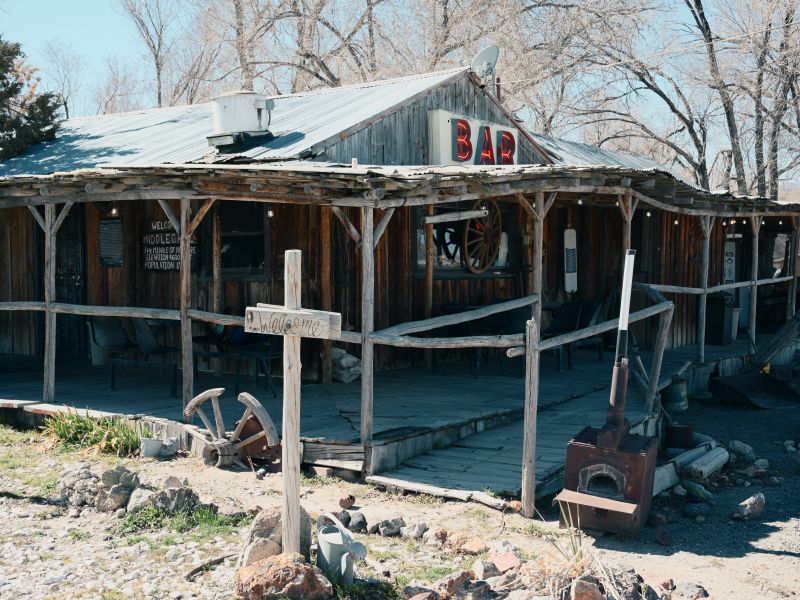
Middlegate Station is exactly what you want it to be. A roadside stop that feels like it hasn't changed in years. Inside, it's a classic saloon with a hefty menu. Outside, it's a wide open space. The Monster Burger lives up to the name, and if you need a place to stay, you can camp right there. Simple, but memorable.
The Shoe Tree
Just down the road, you'll pass the famous Shoe Tree. A random roadside landmark covered in… shoes. It's weird, and it's a perfect representation of the personality this road has.
Fallon
Fallon is the first place that feels like a "real" city again. After days of small towns and open road, it almost feels busy. It's a good place to restock, reset, and take a break from driving.
A couple of stops worth your time: Stone Cabin Coffee is the kind of place you end up staying longer than planned if you want a great spot to recharge or get some work done. And if you need to stretch your legs, Dayton State Park is a quick walk and a change of scenery before finishing the drive. Keep in mind Dayton State Park is about 40 minutes before you reach Fallon.
Day 4
Fallon → Carson City
Carson City feels like a proper finish line. You've gone from near-isolation to a place with energy, food, and options.
Locals call it the Carson City Triathlon: a soak at Carson Hot Springs, a meal at Sassafras Eclectic Food Joint, and a wrap-up beer at Shoe Tree Brewing Company. Complete all three in a day and you can grab a t-shirt to prove it. Anything for a free t-shirt, right?
If you keep going, Lake Tahoe is just a bit further. After everything you've seen, alpine water and pine forests are the perfect contrast to end on.
Tips and Tricks
BEST TIME TO DRIVE
Spring and fall are hands down the best times for this route. Temperatures are moderate, crowds are minimal and shops are still open, and you get the best balance of accessibility and comfort.
GETTING TO BAKER
Baker is remote, and that's part of the experience. Baker is remote, and that's part of the experience. Baker is a natural add-on as part of a longer road trip coming up from southern Utah, Zion, or Bryce Canyon. If you're already on a bigger road trip, Baker is a natural add-on coming up from southern Utah, Zion, or Bryce Canyon.
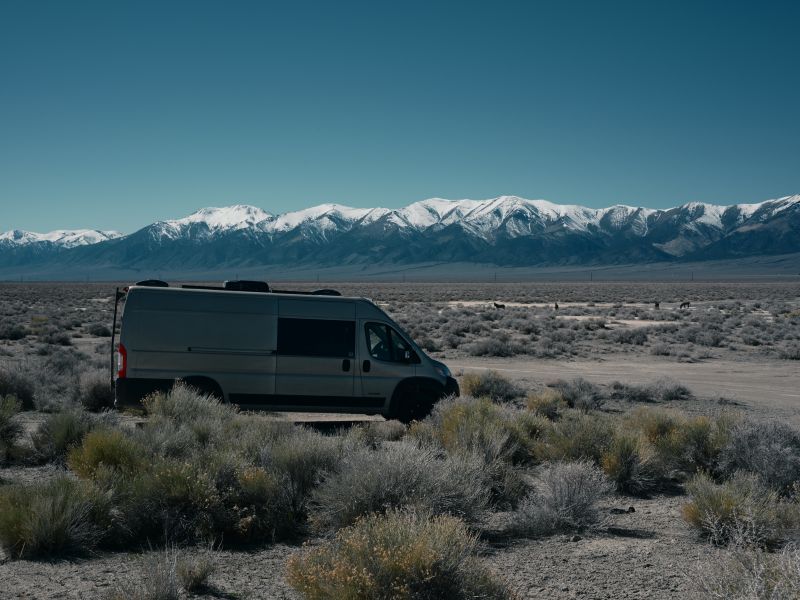
PRACTICAL NOTES FOR RVERS
1) Fuel up whenever you have the chance. Stops can be far apart, and you don't want to be watching your gauge out here.
2) Download offline maps ahead of time. Service can be spotty between towns.
3) Stock up on groceries before you start. Selection in the small towns is limited, and prices reflect the remoteness.
4) Don't rush it. The biggest mistake you can make on this road is treating it like something to get through instead of something to experience. This is a road that’s truly about the journey, not the destination.
5) Bring layers. Elevation changes through the route mean cold mornings and hot afternoons, often on the same day.
6) Plan for limited hookups. Dispersed camping is a huge part of the experience. Pack out what you pack in. If you need hookups, definitely do some research beforehand to learn more about where you can and can’t stay on this route.
Final Thoughts: Why It's Not Actually Lonely
The road isn't empty. It's full of small, human moments. Conversations at gas stations. Shop owners who take their time. Other travelers who are doing the exact same thing you are.
It forces you to slow down. There's no rushing from point A to B because the road itself becomes the experience.
And most importantly, you're never really alone. Whether it's people, animals, or the places themselves, there's always something happening. You just have to be present enough to notice it.
If you go into it expecting nothing, you'll probably be right. But if you go into it open to what's there, you'll realize pretty quickly that there's a lot more to this road than people give it credit for.