

When considering vacations to our country's majestic national parks, you may be wondering whether RVing is a budget-friendly option. Packed with fascinating geology and incredible wildlife, Yellowstone is one of those bucket-list-worthy places that you should see in your lifetime, but this corner of western Wyoming is quite a trek for most Americans. Is it cheaper to fly or RV to Yellowstone?
Let’s do a budget breakdown of RVing versus flying for a trip to Yellowstone. This cost estimate will include a couple traveling from the Midwest (for the sake of research, we will use our home base of Springfield, MO), and will compare two travel options:
- Option 1: Flying, renting a car, and a hotel
- Option 2: RVing with a Class B van
In my prior budget breakdown, we compared flying versus RVing to Rocky Mountain National Park. The cost of purchasing airline tickets for a family of four instantly drove up the costs for flying, but does the same hold true for two travelers? Plus, we have swapped our truck and pickup for a Winnebago Travato Class B. We will walk through the numbers and dynamics of trip budgeting. Which do you think will be the cheaper option?
The Caveats
Before we compare the costs of RVing versus flying, here are some considerations to keep in mind:
- I picked the options that my husband and I would realistically make for flights and accommodations; however, there are myriad options at many price points. Your specific travel dynamics and choices could significantly influence the costs.
- Our local airport is small, so our flight costs are more than flying out of a major hub.
- I used rough cost estimates based on current online pricing and may not have included all taxes and additional fees. And, of course, all prices are subject to change.
The Destination: Yellowstone National Park
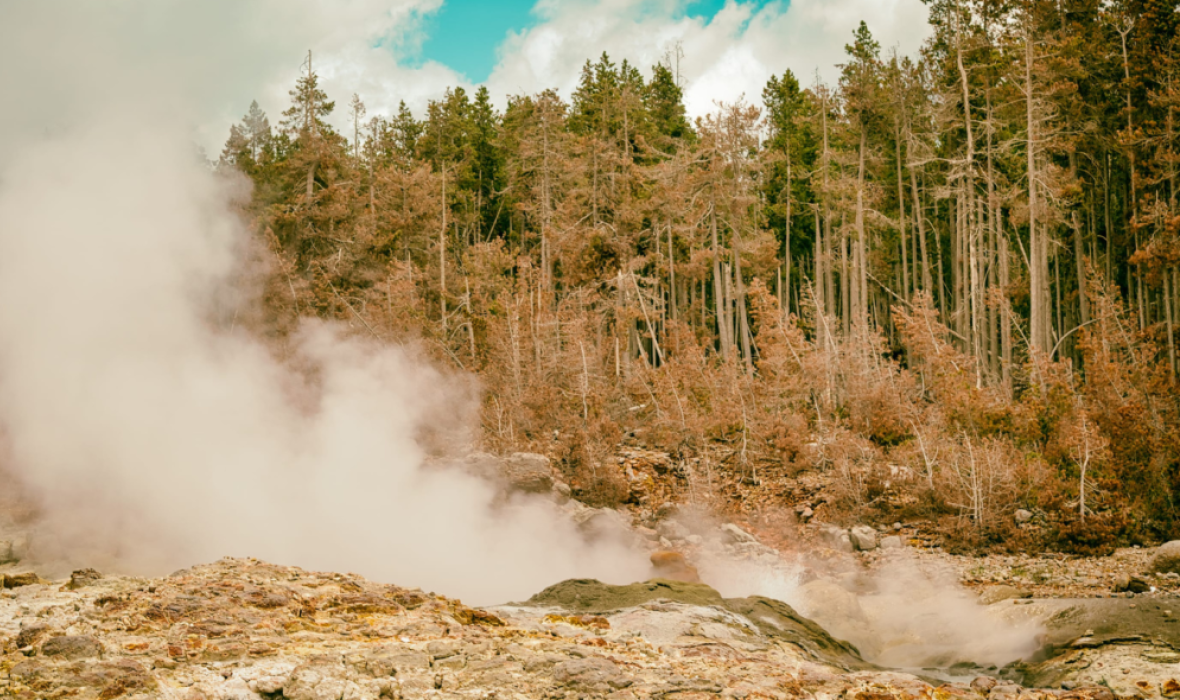
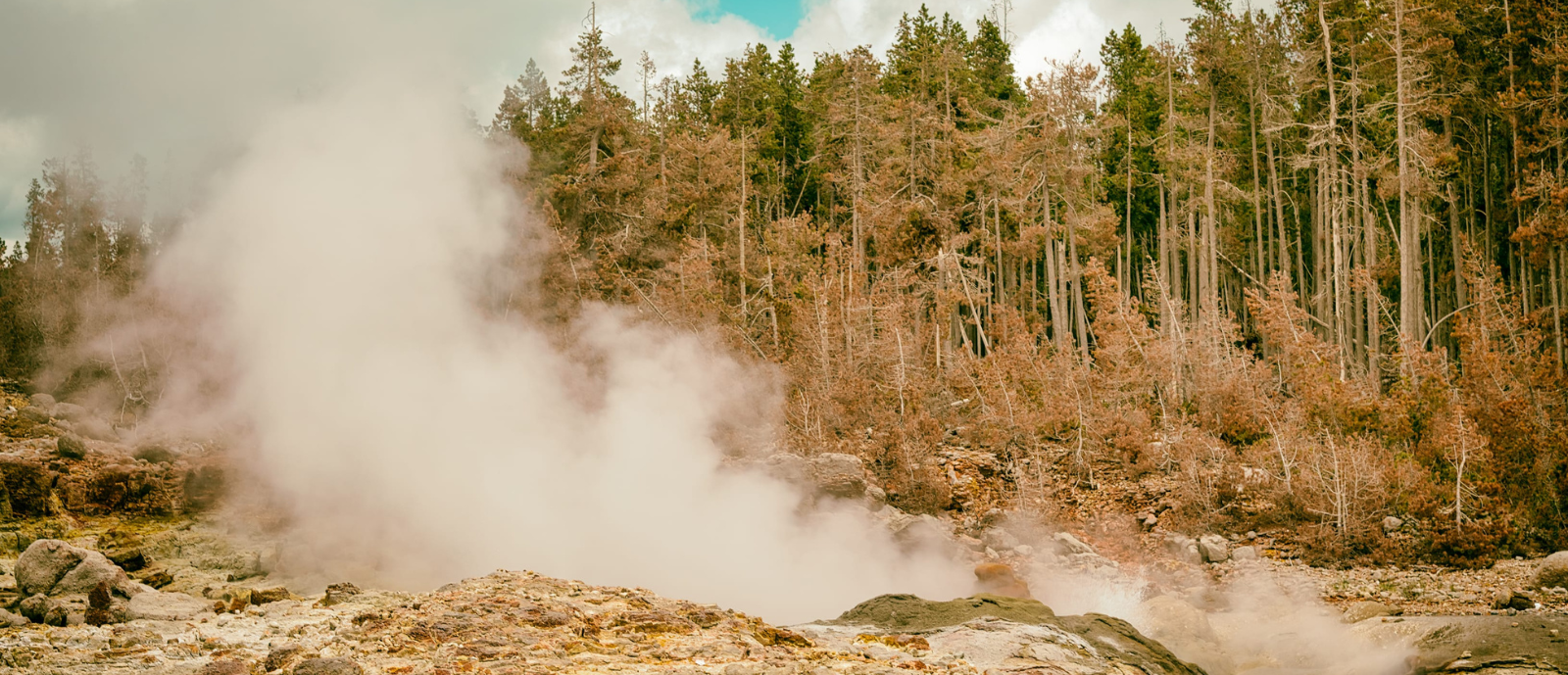
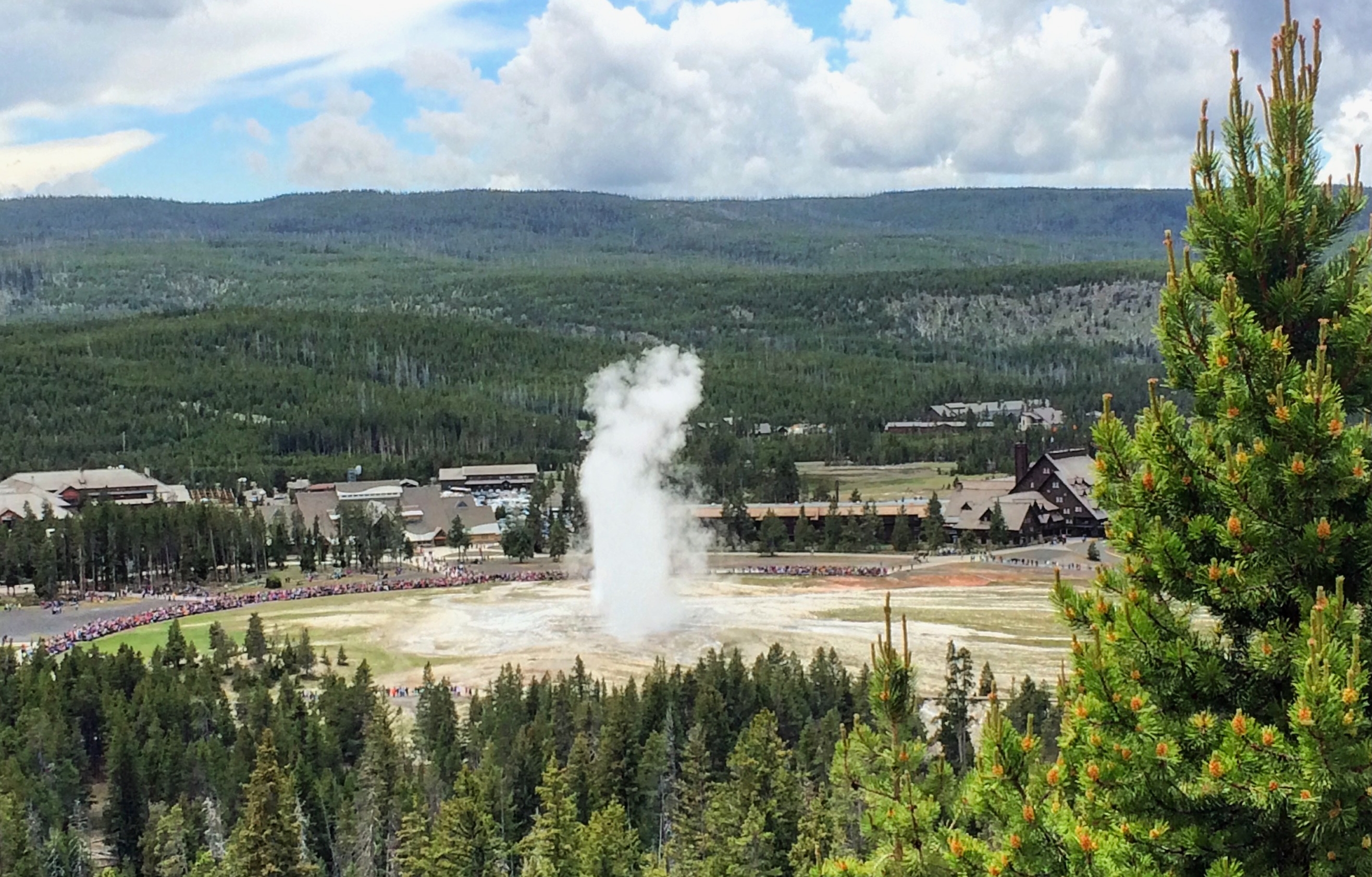
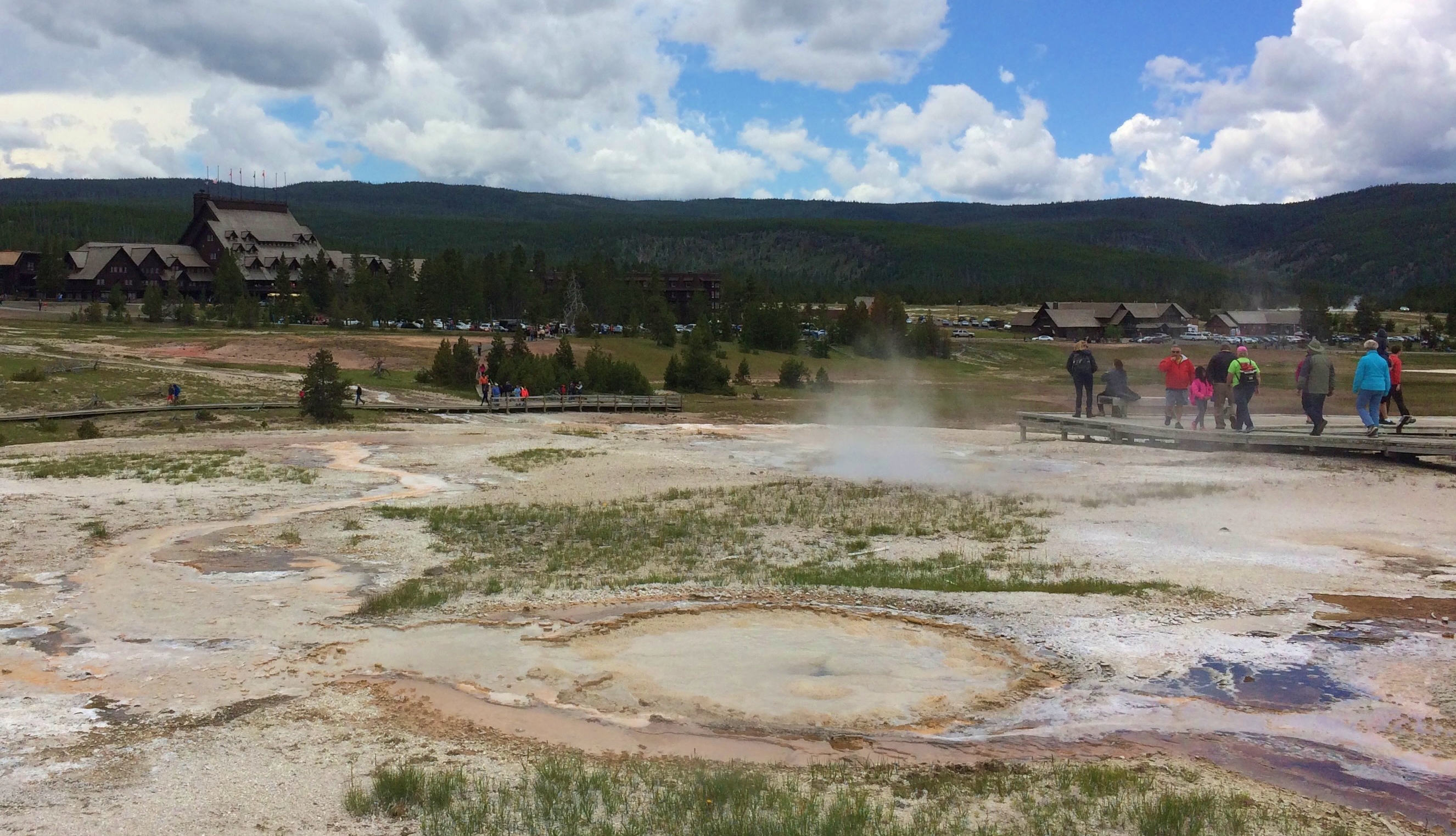
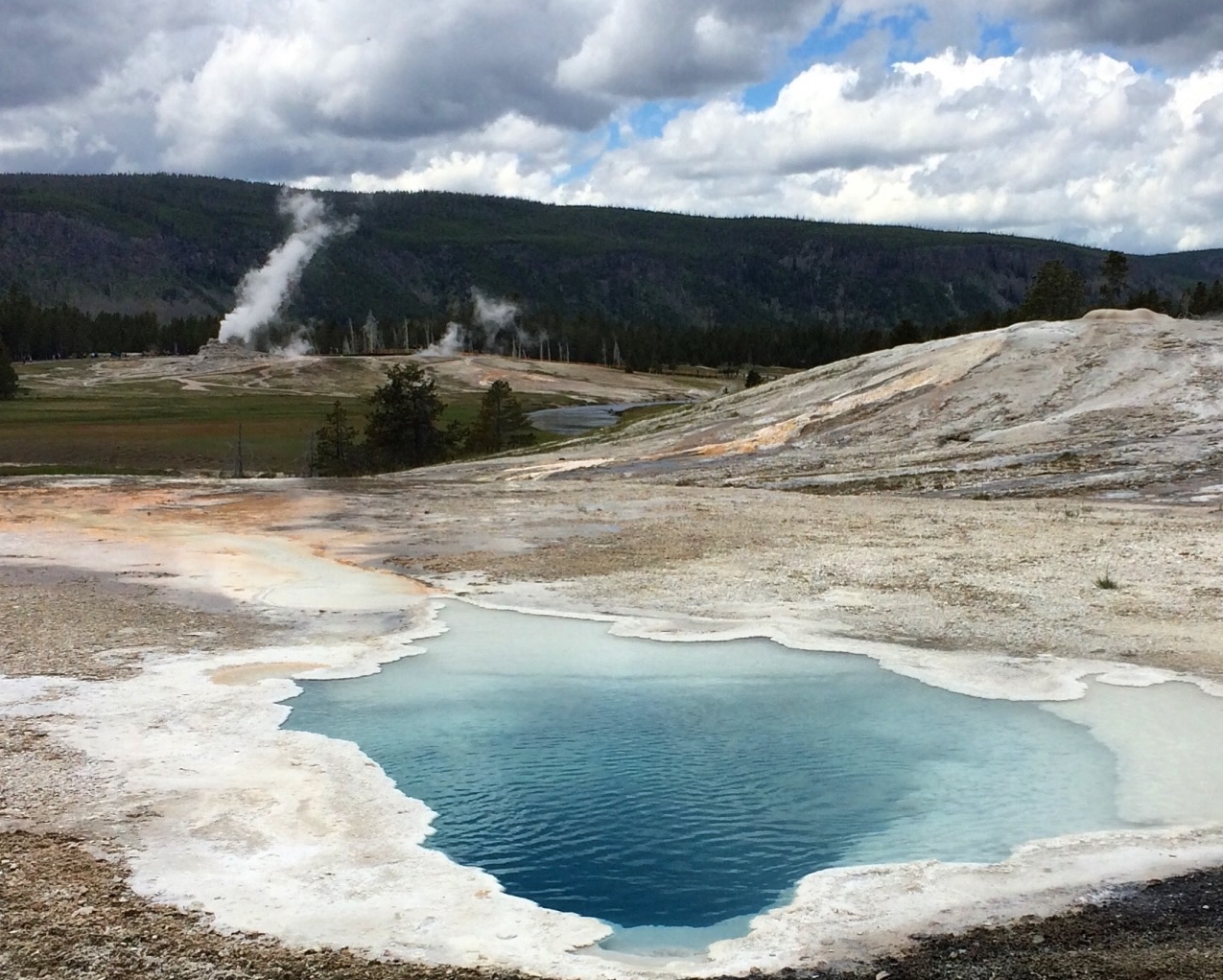
Full of geysers, hot springs, and waterfalls, Yellowstone National Park is an incomparable destination. Thanks to its bounty of beauty, it was named the first national park in the world in 1872. Nearly five million people visit the park each year, and it is easy to see why. There’s no place else in the world like Yellowstone. Unfortunately, it isn’t easy to reach in far western Wyoming (it even overlaps two additional states–Montana and Idaho).
To visit iconic sites like Old Faithful, the Grand Prismatic Spring, the Grand Canyon of the Yellowstone, and more, you will need to do some driving—both to reach the park and to explore it. At 2.2 million acres, Yellowstone is the second-largest national park in the continental United States, topped only by Death Valley. Due to the park’s size and popularity, it is important to think through your logistics well ahead of time and book your reservations, whether you are camping or not.
Transportation Cost Comparison: Flying Versus RVing to Yellowstone
When we pay for gas at the pump, the increased costs are right in front of our faces, so it may seem counterintuitive that RVing could still be budget-friendly. However, flights use gasoline, as well, so ticket costs have risen alongside gas prices. Let’s take a look at the transportation costs for flying versus driving and renting a car for this proposed trip to Yellowstone.
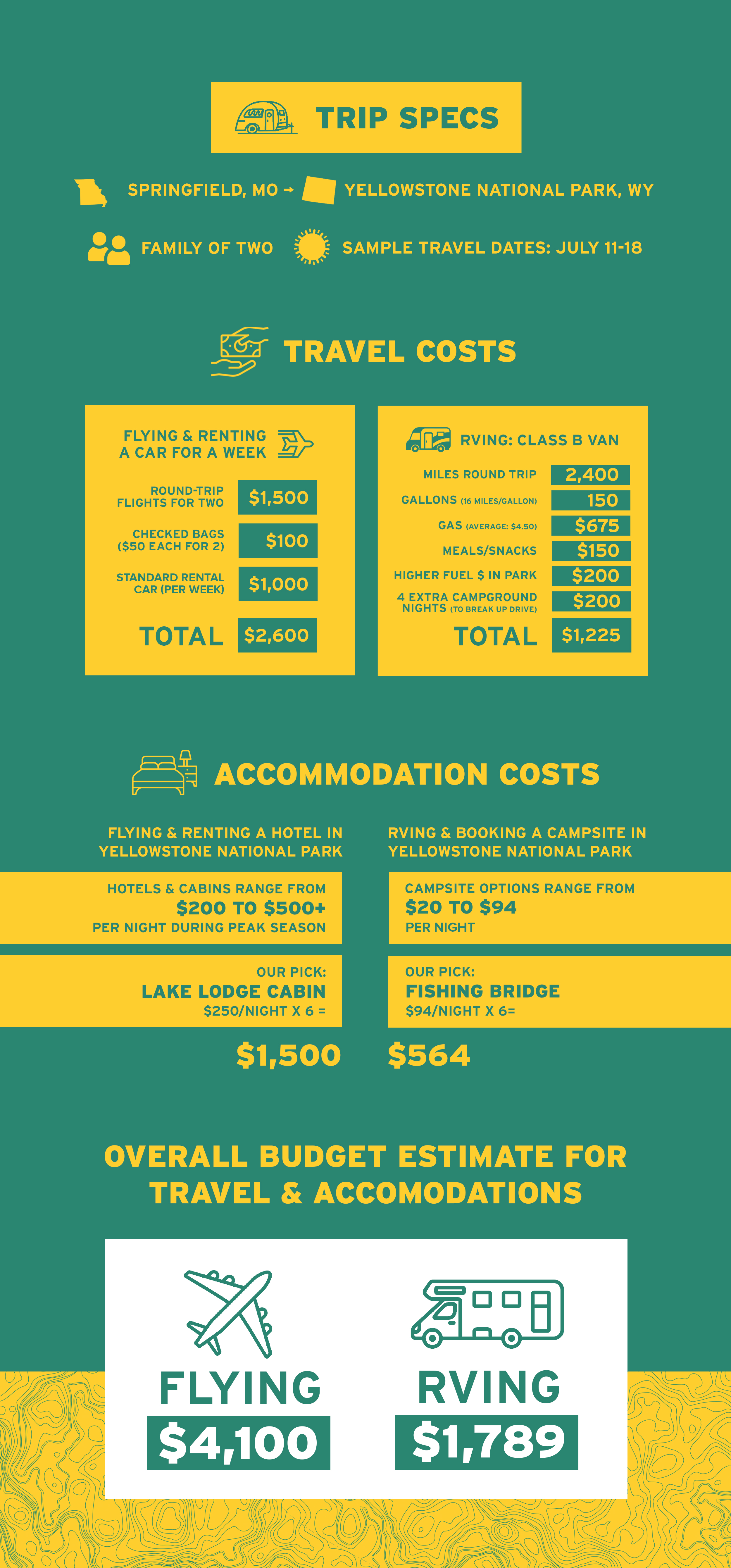
When flying to Yellowstone, you first have to decide where to land. Popular options include West Yellowstone (MT), Jackson (WY), and Bozeman (MT). While West Yellowstone and Jackson are closer to Yellowstone National Park, Bozeman has a larger airport, making it cheaper to fly into. Round-trip flights from our location to Bozeman for two would run $1,500, and a week with a standard rental car would be approximately $1,000, bringing us to $2,500 in travel costs for flying.
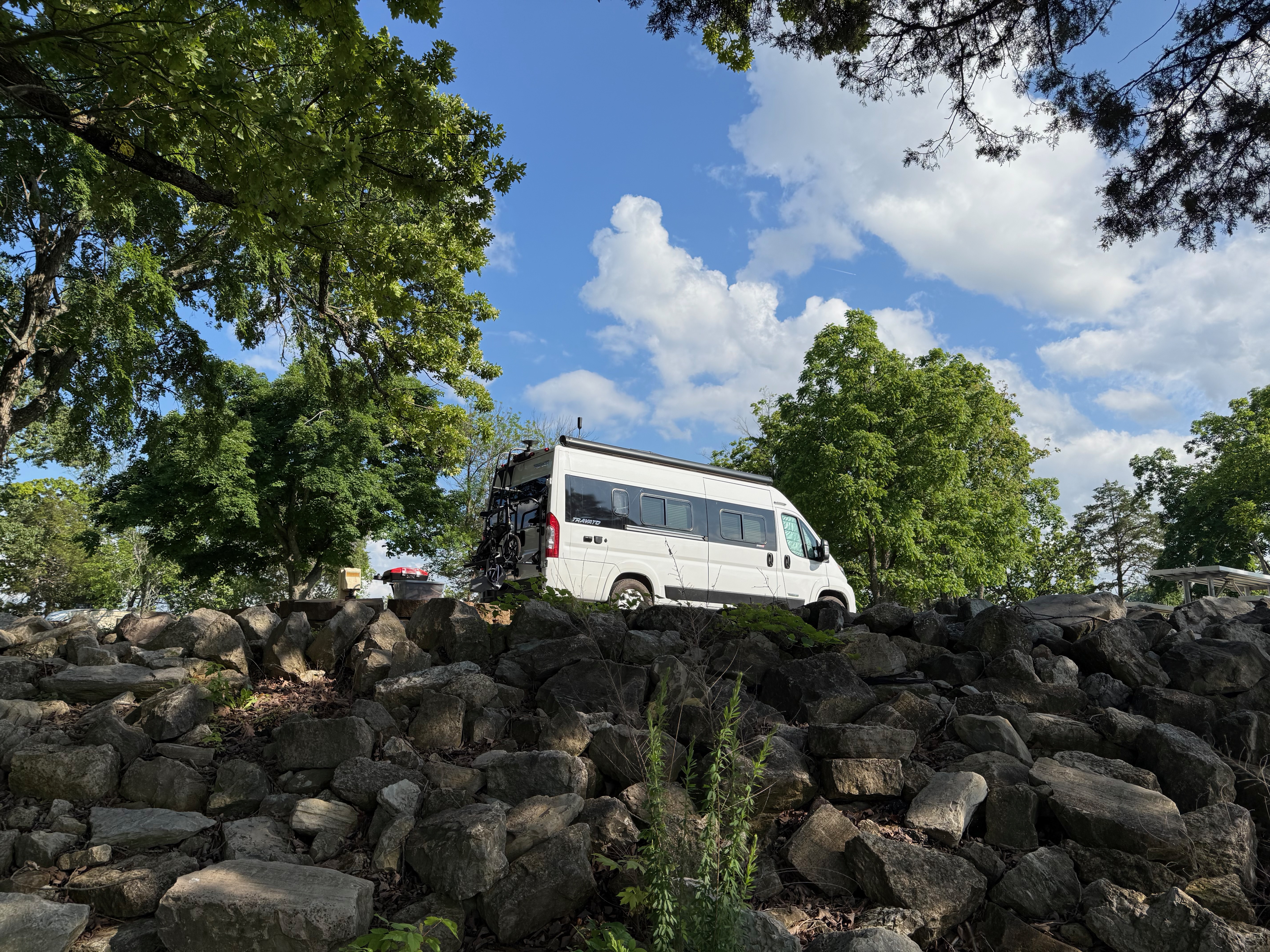
In comparison, traveling 2,400 miles round-trip in our Class B van to Yellowstone from Missouri would likely involve around 150 gallons of gas at a current average of $4.50 a gallon. This brings us to $675 in estimated gas costs just to reach the park. Plus, since it would take over 18 hours of driving each way, we would break up the trip with an extra night or two each direction, bringing in extra costs for campgrounds, meals, and snacks on the road.
Finally, to fully see Yellowstone, one can expect to drive hundreds of miles traversing this grand park. Driving a standard rental car would be much cheaper than our larger, heavier Class B van, so to be fair, I figured in an extra $200 for gas.
Final Result: At $2,600, it is nearly twice as expensive to fly to Yellowstone as to take an RV, which would average around $1,225 for gas, additional campground nights, extra food, etc.
Accommodations Cost Comparison: Yellowstone Hotel Versus Campground
Next, let’s look at accommodation options in Yellowstone National Park. There are many ways to explore this massive region (notice I used the word “region” there instead of “park,” since it truly is that large). Some people opt to stay at gateway towns outside of the park, even moving between them while visiting different sections.
However, due to its immense size and number of attractions, many visitors enjoy staying inside Yellowstone National Park for easier access. For example, simply driving from Old Faithful to Lamar Valley is nearly 90 miles and can take three hours or more. Plus, the ubiquitous bison traffic jams can greatly increase commute times across the park. Luckily, Yellowstone offers great accommodations for campers and non-campers alike.
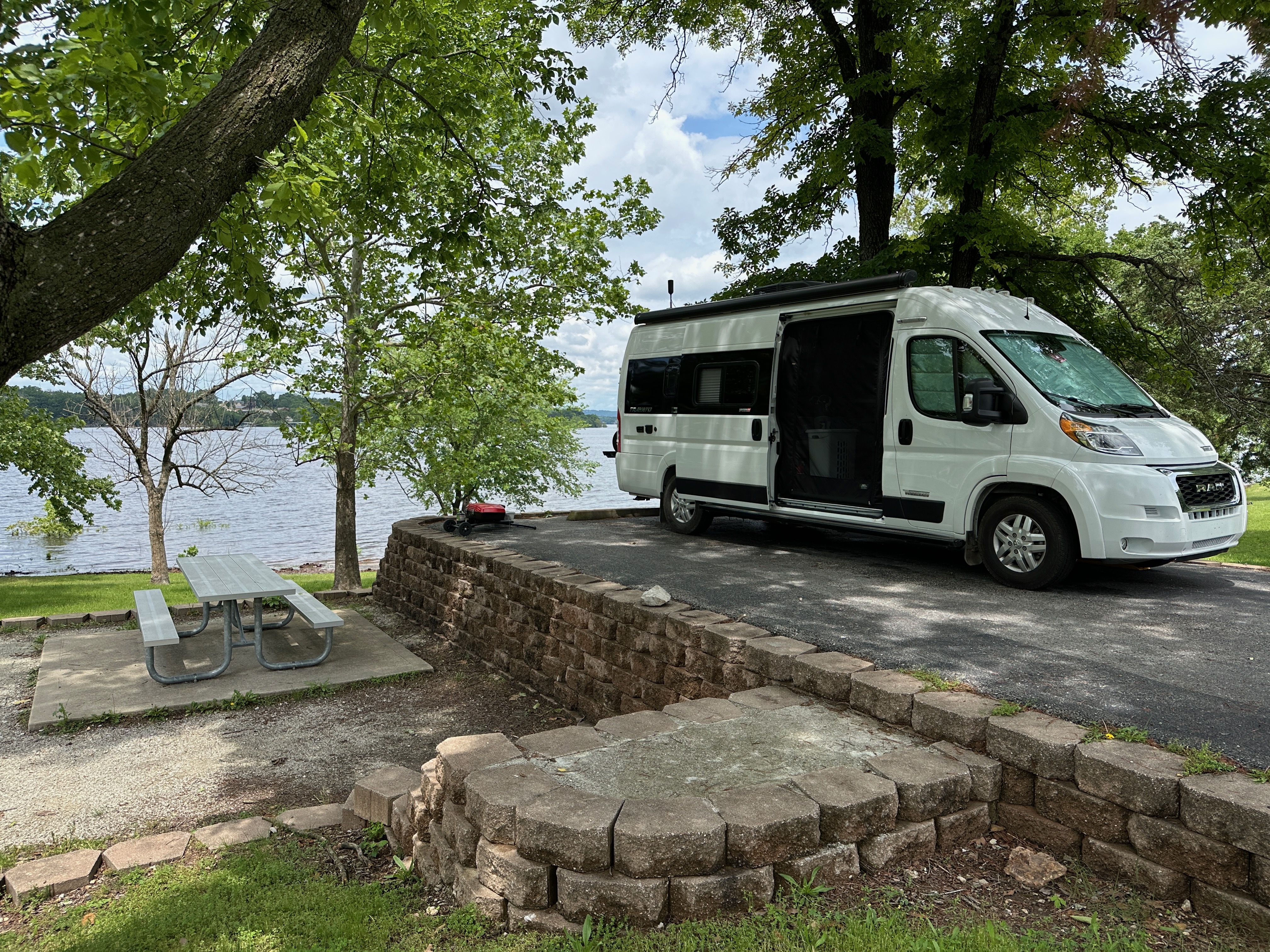
Yellowstone has 11 campgrounds with over 450 RV campsites. While we could camp in our Class B van in any of them, Fishing Bridge Campground is our top choice since it offers full RV hookups. At $94 a night, it is costlier than many campgrounds, but the convenience and beauty offered by staying right in the park make this price a steal. For our six-night stay, our campground accommodations would cost $564. Opting to camp without hookups would be half the price, or even less for more rustic spots.
For non-campers, Yellowstone offers nine options, including cabins and lodges. Old Faithful Lodge is an iconic choice but pricey, and cabins without en suite bathrooms are the cheapest. For this budget comparison, I picked Lake Lodge Cabins. This offers a classic national park experience, economical pricing, a bathroom, and a central location similar to Fishing Bridge Campground. For a six-night stay, our cabin accommodations would cost $1,500.
Food is one “hidden” budget savings for RVing. Having your own kitchen can make a huge difference in your food budget, as dining options in Yellowstone are limited and costly. RVers can have a simple, cheap breakfast while taking in the views. Then, while exploring the park in a Class B, lunch–and even dinner–can be enjoyed anywhere, thanks to the onboard fridge, stove, and microwave.
Final Result: At $1,500, it is nearly three times as expensive to stay in a budget-friendly cabin as compared to the top-of-the-line campground, which would run $564. Food costs would also be significantly less in the RV.
The Bottom Line: Flying Versus RVing to Yellowstone
Is RVing to Yellowstone cheaper than flying? Yes, tremendously so! For a couple planning a summer trip from the Midwest to Yellowstone, here are the estimated costs:
- Option 1 (Flying and renting a car and cabin): $4,100
- Option 2 (RVing): $1,755
RVing is less than half the cost of flying for our imagined scenario. In fact, it is nearly a 60% cost saving, without adding in the additional potential for reduced food costs.
We quickly realized that a single trip wasn't enough to offset the yearly costs of owning a Class B van. Our solution? Travel more to make the investment worth it. It’s been a huge win—the savings have paved the way for even more trips, and we get the unmatched perk of owning our own RV.
Additional Benefits of RVing to Yellowstone
Besides the monetary cost and savings, we have many other reasons we enjoy RVing over flying. When we bought our Class B van, we initially worried about whether we would like using it as our primary vehicle for exploring while on vacation. For each excursion, we have to spend a few minutes packing up our campsite and getting things situated; however, we have found that we enjoy traveling in the Class B for a number of reasons.
A Class B van is the perfect mode of travel to a national park for these reasons and more:
- You always have a bathroom handy. When exploring national parks, especially those as huge as Yellowstone, you sometimes are far from a bathroom, get stuck in a bison traffic jam, or encounter an icky pit toilet. Having your own bathroom is a priceless benefit!
- You always have all of your gear and clothing. When we previously visited Yellowstone, we found ourselves packing up lunches, snacks, jackets, hats, sunscreen, fishing gear, and more each day. With a Class B van, you are carrying everything you need everywhere you go and can easily accommodate changing conditions. Plus, if you are flying to Yellowstone, fishing and hiking gear are a lot more difficult to pack on an airplane.
- You can nap anywhere. Have you ever exhausted yourself while exploring a national park? With a Class B van, you can rest anywhere you’re allowed to park (of course, it’s not good to take up a spot in a packed parking lot near a busy Yellowstone attraction, so choose a spot where there are plenty of openings). Head to the Lamar Valley before dawn for prime wildlife watching, and then enjoy a catnap before continuing your adventures.
- You can easily grab snacks and drinks and prep meals. Having a rolling kitchen is immensely helpful in a place like Yellowstone, where restaurants and convenience stores are few and far between. Plus, you save a lot of money by not eating out.
- Finally, there’s the magic of RVing. Aside from potential cost savings, we love seeing the world through the big window at the front of our van as the landscape changes along our route. Plus, there’s a connection to nature that can’t quite be found in a hotel or even a cabin.
Final Thoughts
We’ve owned an RV for over a decade now and have traveled from coast to coast without booking a single flight. We’ve saved money, seen America, and made memories all along the way. As this cost comparison shows, even when gas prices rise, RVing is still a budget-friendly way to have grand adventures at a fraction of the cost. If you are booking a trip to Yellowstone National Park, RVing is the way to go.