


There truly is an RV for every type of traveler and every kind of budget. Whether you imagine weekends filled with quiet, off-grid adventures or you dream of bringing every comfort of home along for the ride, there’s a rig designed to support the lifestyle you want. Some RVs feel rugged and ready for backcountry roads; others feel like rolling vacation homes with modern finishes, residential-style kitchens, and built-in creature comforts.
Shopping for your first RV is exciting, but it can also feel overwhelming. There are dozens of RV types and lengths, hundreds of floorplans, and price points that range from modest entry-level units to luxury models. That’s why we created this guide: to help you narrow your choices, focus on what matters, and begin the buying process with confidence.
If you’re just starting out, one of the most helpful first steps is choosing which type of RV best fits your needs. These five questions will help you build your shortlist and point you toward the right RV class for your camping style, travel goals, and budget.
1. Budget for Your Price Range
RV prices vary widely depending on size, features, and type. Entry-level pop-up campers may cost as little as $7,000; many well-equipped travel trailers fall in the $20,000–$40,000 range; and motorhomes can range anywhere from $70,000 to well over $200,000. Instead of browsing everything at once, it’s helpful to start with a realistic spending range.
Once you know what you’re comfortable investing in, you can focus on RVs that fit within that bracket. You’ll get a clearer sense of which features and floor plans are available at your price point, and you won’t waste time falling in love with models that don’t align with your budget.
Remember that the RV itself is only one part of the cost equation. You may also want to consider:
- Additional gear or setup items (water hoses, leveling blocks, surge protectors)
- Potential storage fees if not parking at home
- Travel expenses like fuel and campsite fees
- Maintenance, upkeep, and winterization
Approaching the process with a set financial comfort zone helps you stay focused and excited about the options available to you.
2. Consider Your Tow Vehicle (or Future Tow Vehicle)
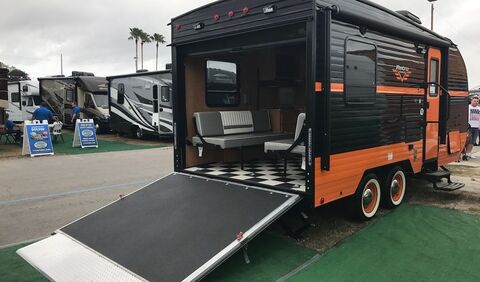
If you already own a truck or SUV that can tow an RV, you’ll have a head start in choosing between folding camping trailers, travel trailers, toy haulers, and fifth wheels. Before exploring floor plans, make sure to confirm your exact towing capacity. Tow ratings can vary widely even within the same vehicle model depending on engine, axle ratio, tow package, and other factory options. The most accurate way to check is by using the vehicle’s VIN.
If you don’t have a tow vehicle yet, you have two clear paths to consider:
A. Purchase a towable RV and buy a tow vehicle to match
Some RVers prefer this route because they want the flexibility of a truck for daily life or hauling gear. Just remember to factor the cost of a properly equipped truck into your overall budget.
B. Choose a motorized RV instead of buying a tow vehicle
Class A, B, and C motorhomes allow you to keep your current commuter car and enjoy a single-vehicle purchasing experience. This can be cost-effective for many first-time buyers, especially if you don't want to manage both a commuter vehicle and a truck.
No matter which path you take, always make sure you’re working with accurate towing numbers, and choose an RV that keeps you comfortably within the safe operating limit.
3. Think About Your Travel Companions
Many first-time RV shoppers imagine every possible person who might join them someday: friends, extended family, occasional guests. But when choosing the right RV, it’s most helpful to focus on the people and pets who will join you most often.
If you’re buying a towable RV, consider your passenger seating in the tow vehicle. Does every traveler have a safe, comfortable seat? For families, think about where to place car seats, booster seats, or pet carriers.
If you’re shopping for a motorized RV, check for the number and placement of seatbelts. Not all seating areas are intended for travel, and some passengers may prefer certain orientations over others. Look for rigs that offer safe, secure, and comfortable seating arrangements for every regular traveler.
Planning for the day-to-day companions, not the occasional ones, helps you select the right size, layout, and seating configuration.

4. Figure Out Your Travel Style
Different RV types shine in different travel scenarios. Understanding how you like to camp will help you choose the best rig for your adventures.
Road Trippers
If you love exploring multiple destinations in a single trip, hopping from state parks to small towns to scenic overlooks, you may value an RV that’s easy to hitch, tow, and set up. Many road trippers prefer travel trailers under 30 feet or Class B and Class C motorhomes because they offer excellent maneuverability.
Destination Campers
If you prefer to park in one beautiful place for several days, or even weeks, a spacious RV might fit your needs best. Fifth wheels and Class As are popular among destination campers because they offer large living areas, tall ceilings, generous storage, and residential-style amenities.
Seasonal Campers or Long-Term Travelers
Some RVers set up seasonal sites, returning to the same campground across months or seasons. In these situations, comfort and interior layout often matter more than mobility, so park models can be great choices.
Your travel style can change over time, but identifying the kind of trips you want to take right now helps you choose a rig that feels intuitive and enjoyable from day one.
5. Think About Your Camping Style
Where you plan to camp is just as important as how you plan to travel.
State parks, national parks, national forests, and public lands often provide a peaceful, natural setting. Campsites in these locations may have smaller footprints and fewer modern amenities. If you’re dreaming of public lands, consider:
- RVs under 30 feet tend to fit more easily
- Smaller rigs offer more flexibility when reserving popular sites
- Larger holding tanks are helpful if you’ll be dry camping or boondocking
- Private Campgrounds
Private RV parks often provide full hookups, pull-through sites, and amenities like pools, clubhouses, fitness rooms, and planned activities. These campgrounds typically accommodate larger RVs and offer more modern conveniences. If you prefer resort-style comforts or full-time hookups, a larger travel trailer, fifth wheel, or Class A motorhome may be the perfect match.
Thinking about where you’ll camp most often helps you choose an RV that fits your surroundings as comfortably as it fits your travel dreams.

Your RV Dream Is Within Reach
When you picture your RV life, what do you see? Are you heading for a quiet lakeside retreat at a state park? Wandering from national park to national park? Traveling cross-country in search of new cities, new trails, or new memories? No matter how you define your RV dream, there’s a rig that will make those experiences possible.
The key is choosing an RV that fits your budget, tow vehicle, companions, travel style, and favorite campgrounds. Once you narrow down the type that works best for your lifestyle, the rest of the buying process becomes much smoother and a lot more fun.
Go RVing is here to guide you at every step. Your first RV isn’t just a purchase; it’s the beginning of countless adventures. And the perfect one is waiting for you.