
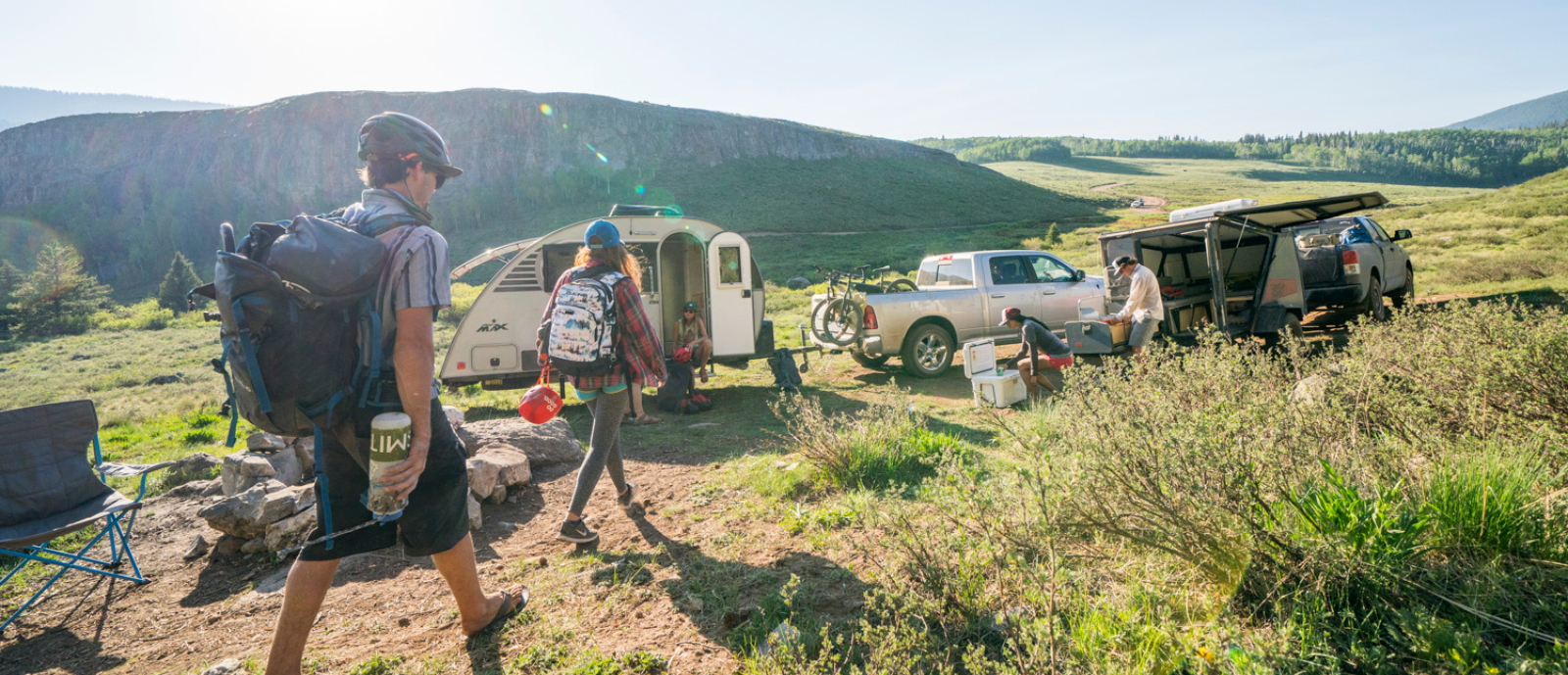

In Scouting, there is a big difference between a "road trip" and an expedition. A road trip is adventure travel; it's about the fun of the drive. Exploration is different: it is a journey with a specific scientific purpose. To earn your Exploration Merit Badge, you can’t just go camping; you have to go with the intent to discover something new and record what you find.
Using an RV gives you a unique advantage. It serves as your transportation, your kitchen, and your laboratory all in one. Here is how you can use the power of the RV to plan and execute a successful expedition.
Phase 1: The Mission Objective
Every great explorer, from Lewis and Clark to the scientists on the Mars Rover team, starts with a goal. Before you turn the key in the ignition, ask yourself: What am I trying to learn?
- Example 1: Exploring the impact of elevation on local plant life as you drive from the plains into the mountains.
- Example 2: Documenting the water quality of three different rivers along a specific highway route.
- Example 3: Searching for and identifying specific fossils or rock types in a newly visited state park.
Scout Tip: Once you have your goal, create your Expedition Agenda. Map out your route and identify exactly where you will stop to conduct your "fieldwork."
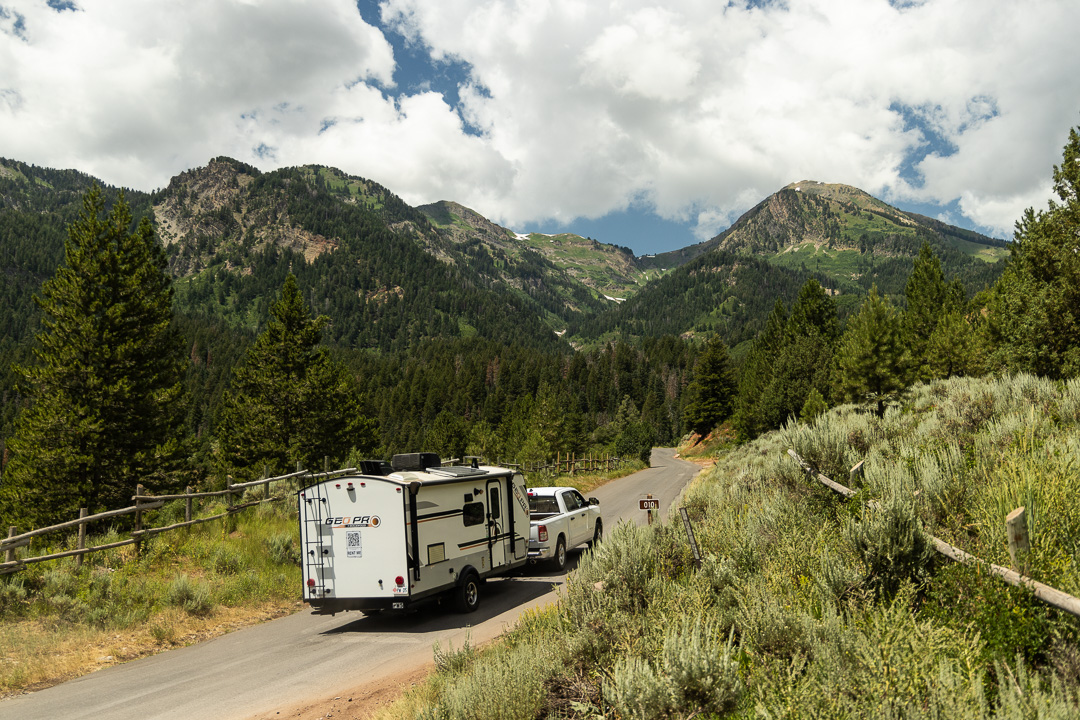
Phase 2: Budgeting and Logistics
Exploration requires resources. Use a spreadsheet to track your costs:
- Fuel & Travel: Estimate your mileage and the corresponding fuel costs (which are much less than plane tickets!).
- The Basecamp: Research campground fees or "boondocking" permits if you are heading into remote areas.
- The Lab: List your scientific tools. Do you need soil test kits, binoculars, a microscope, or GPS units?
- Communications: If your expedition takes you into a National Forest with no cell service, how will you contact your "Base" (your Merit Badge Counselor or family)? Consider satellite messengers or two-way radios.
Phase 3: Safety and the "SAFE" Checklist
An RV can be a large vehicle, and exploration often takes you off the beaten path. You must identify hazard risks before they happen:
- Vehicle Safety: Perform a "walk-around" check. Are the tires aired up? Is the weight distributed evenly?
- Environmental Safety: If you are exploring a desert, your primary hazard is heat and dehydration. In the mountains, it’s rapid weather changes.
- Medical Prep: Ensure your RV's first aid kit is stocked for "Wilderness Primary Care." Know the location of the nearest hospital relative to your campsite.

Phase 4: Fieldwork and Documentation
Once you arrive at your destination, the real work begins. An explorer is only as good as their notes!
- The Logbook: Record the date, time, weather, and your specific observations at every stop.
- Media: Take photos and videos not just of the scenery, but of the data. If you find a rare leaf, photograph it next to a ruler for scale.
- Outdoor Ethics: Remember the Outdoor Code. Because an RV allows you to stay in remote places, it is your job to "Tread Lightly!" and ensure you leave no trace of your mobile lab behind.
Phase 5: The Final Report
After you return home, you must compile your findings into a 1–3 page report. Share your photos, what went wrong (maybe your hypothesis was wrong or your samples got wet!), and most importantly, did you reach your objective?
Whether you discovered a new species of beetle or simply proved that the water in a certain creek is cleaner than you thought, you’ve completed an expedition. You didn't just go for a ride—you explored the world.

Ready to Find Your Mobile Lab?
Head to GoRVing.com to compare RV types and find the perfect vehicle for your Exploration Merit Badge journey!