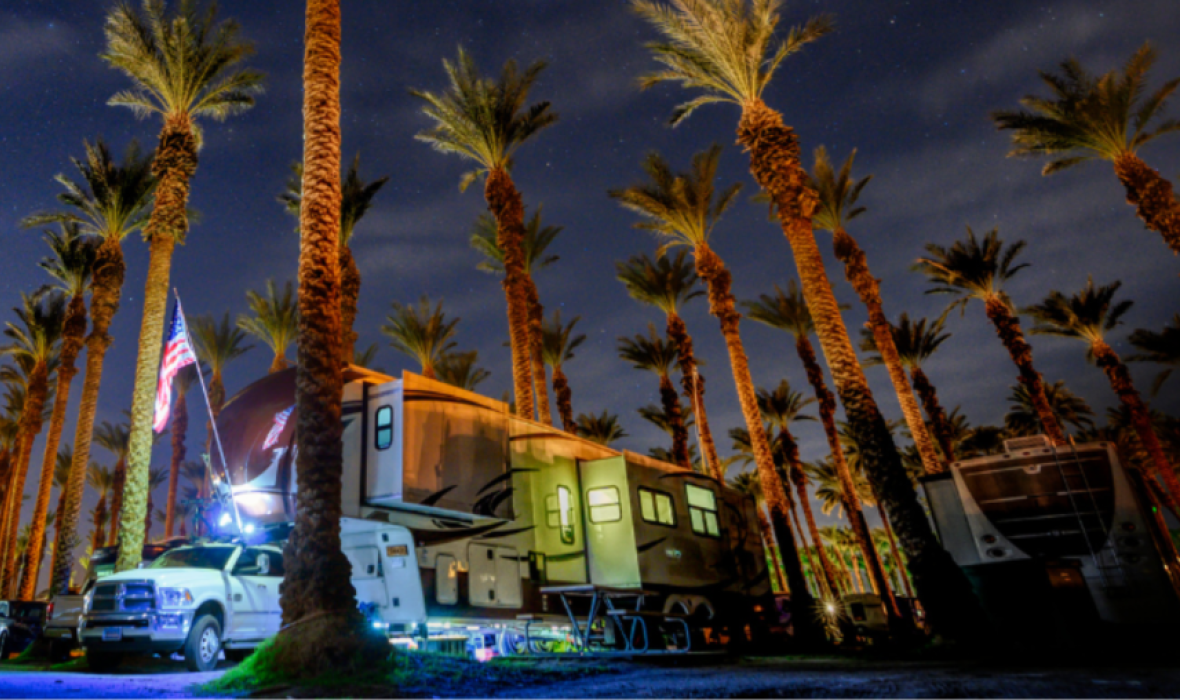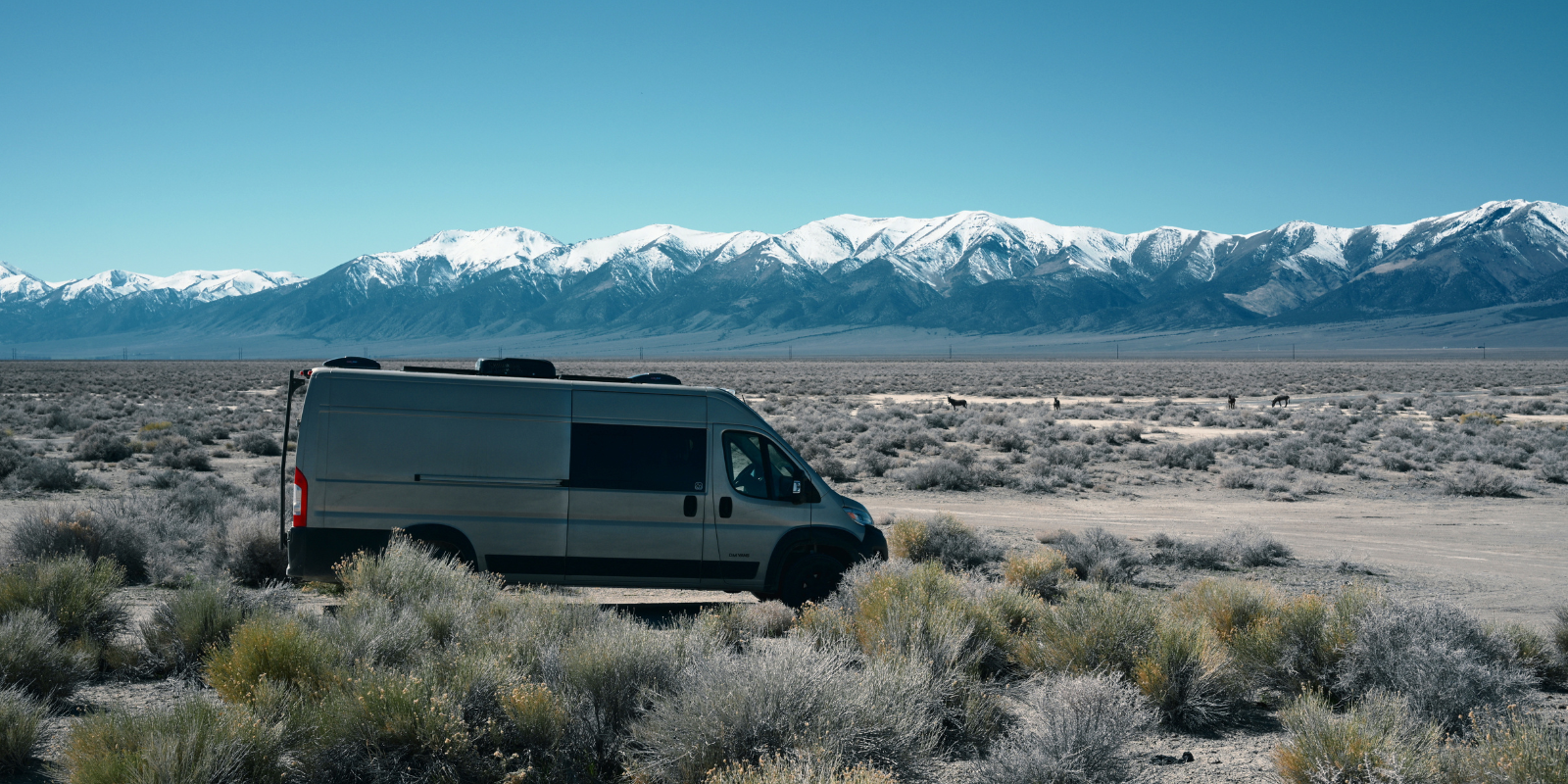
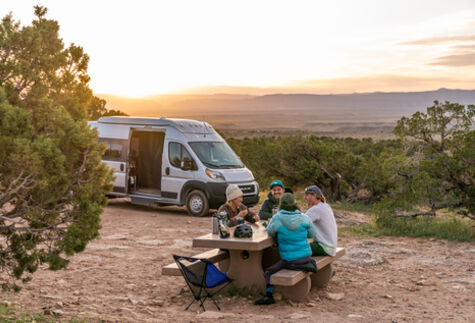

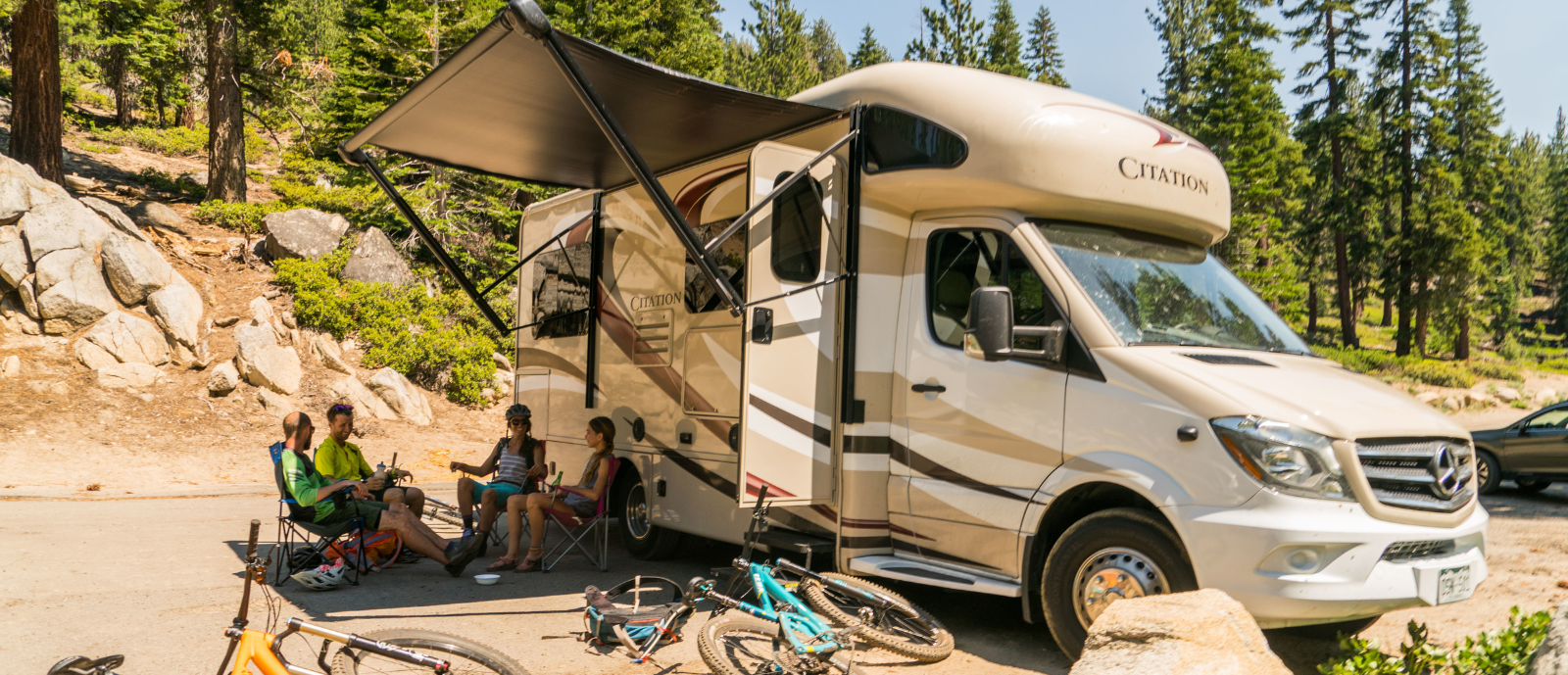

To most people, a road trip is just a vacation on wheels. But to a Scout, an RV is more than a camper; it is a Mobile Research Station. The Exploration Merit Badge isn't about just "going places"; it’s about traveling with a scientific purpose, documented goals, and a disciplined plan.
To transform a family outing into a true expedition, you must navigate three distinct stages: The Prep, The Basecamp, and The Discovery. By mastering the logistics of an RV, you aren't just a passenger; you are the lead explorer of a self-contained mission to uncover the mysteries of the world around you.
1. The Ultimate Navigator: Master Your Route
A Scout is Prepared. Exploration starts with knowing where you are and where you’re going. In an RV, you aren't just a passenger, you’re part of the flight crew.
- Take the Wheel (of Navigation): Ask your parents to let you "navigate" during sections of the trip you already know. Use a real paper road map to track your progress and identify upcoming landmarks. Learning to read a map is a core skill for any explorer.
- Scout Your Stops: Use tools like an RV-specific GPS to find clean pit stops and safe routes. Remember, RVs are taller than cars! One of the biggest explorer "fails" is forgetting the height of your vehicle. Measure the height of your RV (including the A/C unit on top) and tape that number to the dashboard so you never get stuck having to turn around when coming upon a low bridge.
- The Travel Log: Every great explorer keeps a journal. Use a notebook or a digital log to capture "surprise observations." Did you see a bizarre roadside statue or a herd of elk? Write it down. At the end of the trip, share your findings to relive the adventure.
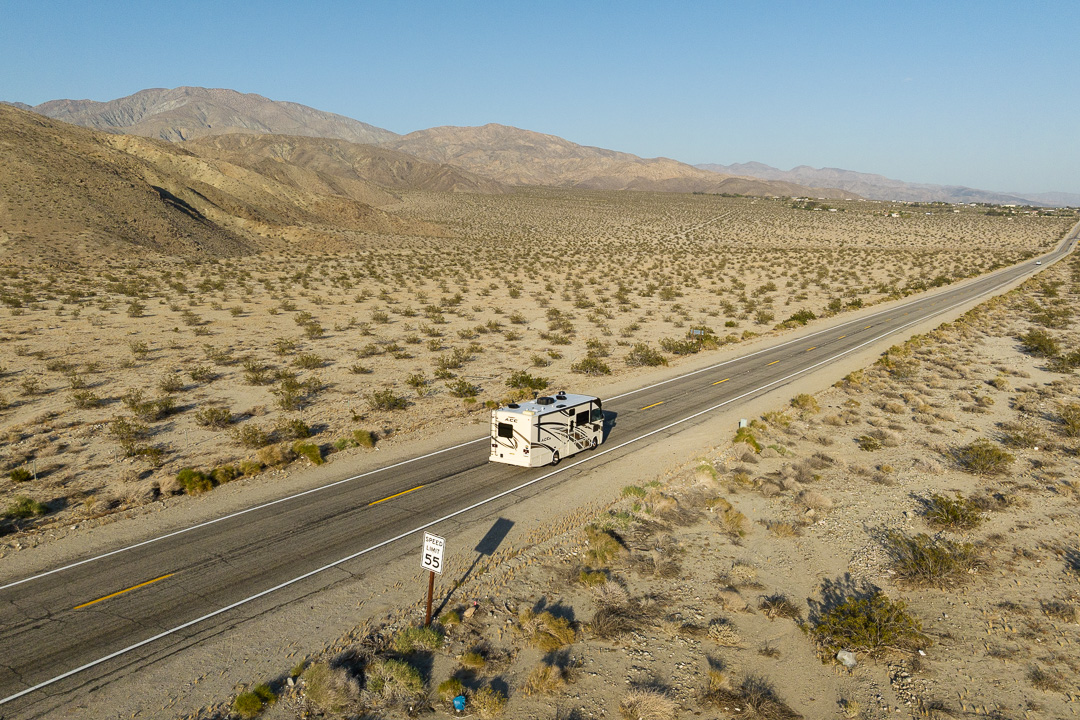
2. Basecamp Safety: Setting Up Your RV Site
Safety First. When your RV stops, the exploration is just beginning—but only if your "basecamp" is secure. Use this checklist to ensure your traveling home-away-from-home is ready for anything.
- The Arrival Checklist: Create a standard arrival routine. This includes using leveling blocks to keep the RV steady and checking for "hidden" dangers like low-hanging branches before you park.
- Weather Watchers: Explorers must respect the elements. Use a real-time weather app to monitor changing weather conditions. If a storm is brewing, help your family retract the awning and secure any loose outdoor gear like chairs or bikes.
- Wildlife Etiquette: Many RV parks are right on the edge of the wild. Keep your basecamp clean to avoid attracting "uninvited guests" like bears or raccoons. Always dispose of trash in bear-proof containers and keep your food stored inside the RV.
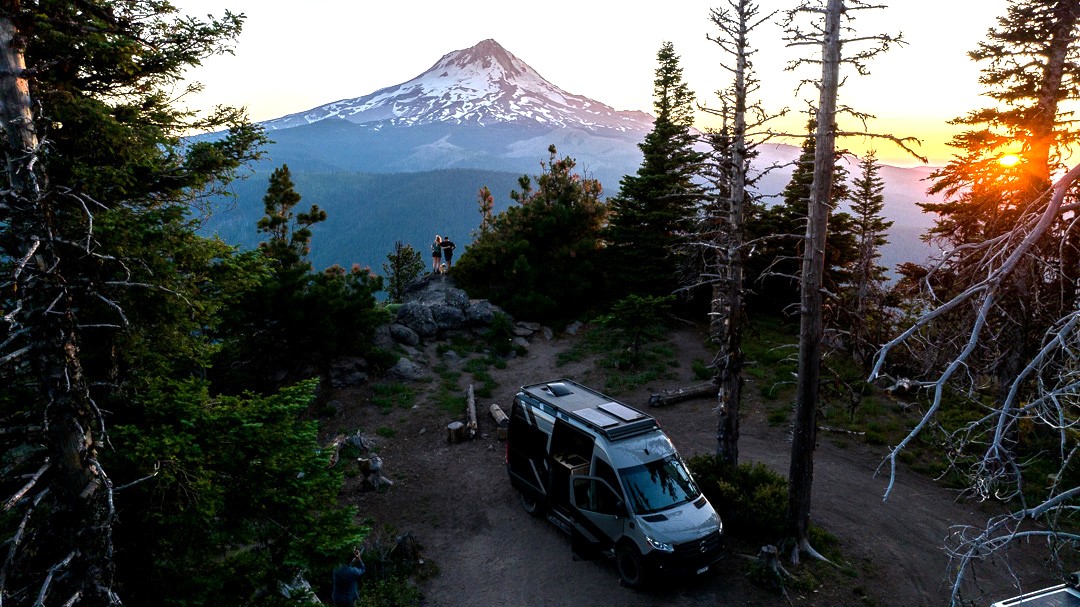
3. Into the Wild: Exploring America’s Backyard
Seek the Unknown. Exploration is about finding the "hidden gems" that most people drive right past. An RV gives you the freedom to stay right where the action is.
- Become a Junior Ranger: Most National Parks, such as Zion or Yellowstone, offer Junior Ranger programs. You can earn badges by completing activity books that teach you about the local plants, animals, and history. It’s like a merit badge for the park!
- The Road Less Traveled: Look for unique spots like the "Belly of the Dragon" in Utah—a man-made drainage tunnel that feels like a portal to another world. Research your route to find professional instructors who teach wilderness survival and backcountry communication.
- Leave No Trace: As a Scout, you know to leave every campsite better than you found it. Whether you’re staying in a luxury RV resort or "boondocking" (camping without hookups) in the desert, always pack out what you pack in. This ensures the next group of explorers can enjoy the same pristine views you did.
Ready to Launch Your Expedition?
Every mission needs the right equipment. Whether you need a rugged camper for backcountry research or a spacious motorhome for a cross-country team, there is a "Mobile Research Station" built for your goals.
Take the Go RVing RV Quiz to find the perfect vehicle for your Exploration Merit Badge journey and start planning your next great discovery!