
Travel Guides
Travel Guides
Volcanoes to Vistas: A Road Trip Through Two of the Most Scenic Byways Out West
Embark on an incredible RV adventure along these two West Coast scenic byways.

Overview
This RV road trip route links remote volcanic parks in Oregon with California’s most dramatic coastline where hotels are sparse and the best views come from scenic pullouts and roadways and the campgrounds located inside forests, parks, and river valleys.
An RV gives you the flexibility to stay close to the action, roll at your own pace, and wake up steps from trailheads, waterfalls, caves, and coastal overlooks. It’s the ultimate freedom-to-roam road trip. While this trek can be done in seven days, we recommend building in 10 days to have extra time to unwind at your RV campground, soak up views with your morning coffee, and pack everything in.
Quick Tip: Every RVer should bookmark the Federal Highway Administration’s Scenic Byways and All-American Roads website. It’s a searchable database of 184 byways across the U.S., perfect for discovering routes with stunning scenery and unique natural, cultural, historic, and recreational stops.
Days 1-3
Volcanic Legacy Scenic Byway
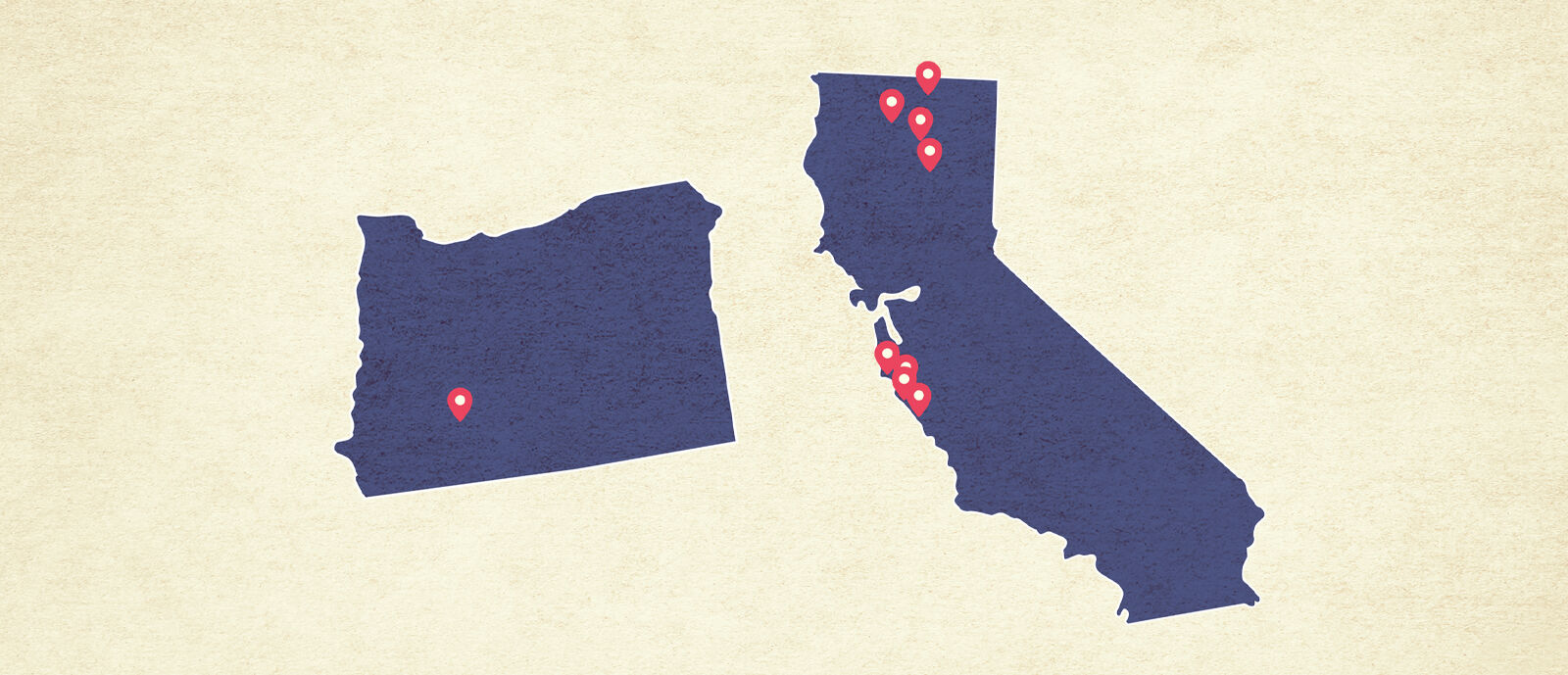
This 500-mile loop winds through the volcanic wonders of the Cascade Range in Northern California and southern Oregon - a place where “almost every bend in the road will excite your senses, refresh your soul, and take your breath away” (said by the National Scenic Byway Foundation).
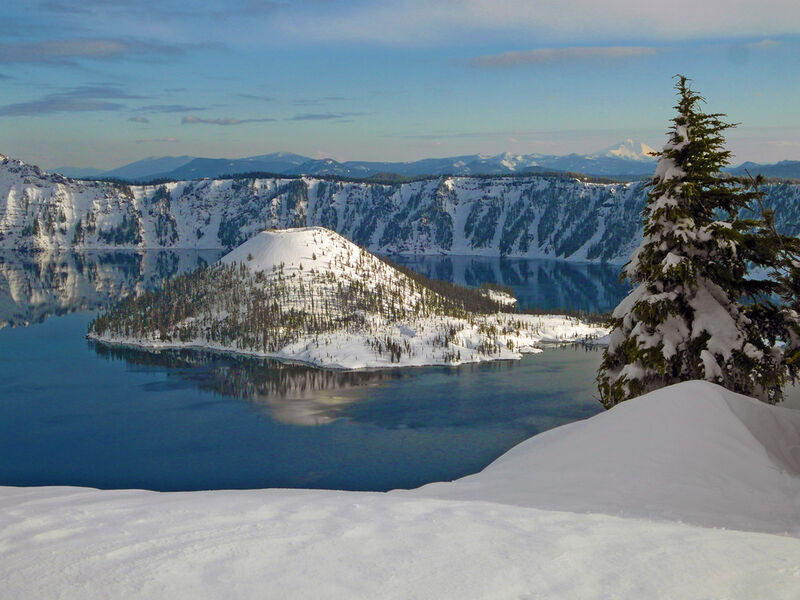
Crater Lake National Park in winter. Photo credit to the National Park Service.
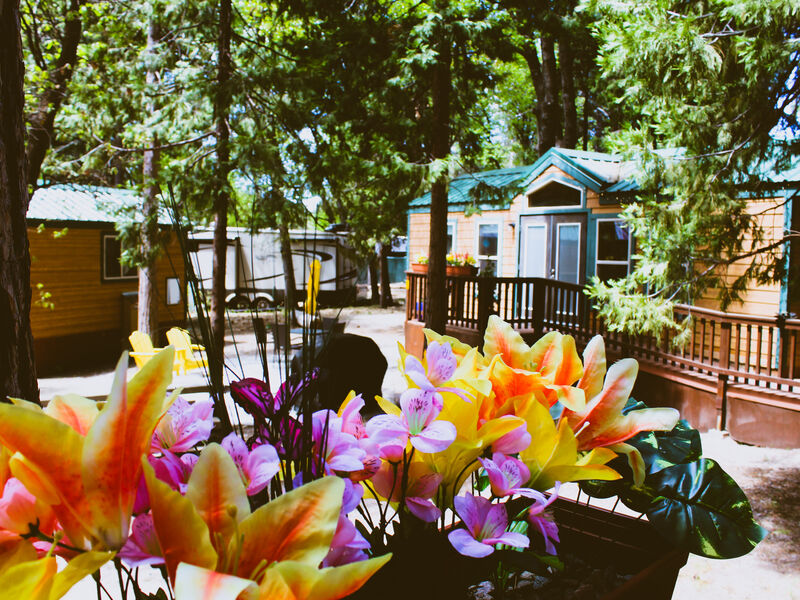
Photo credit to Mt Shasta KOA.
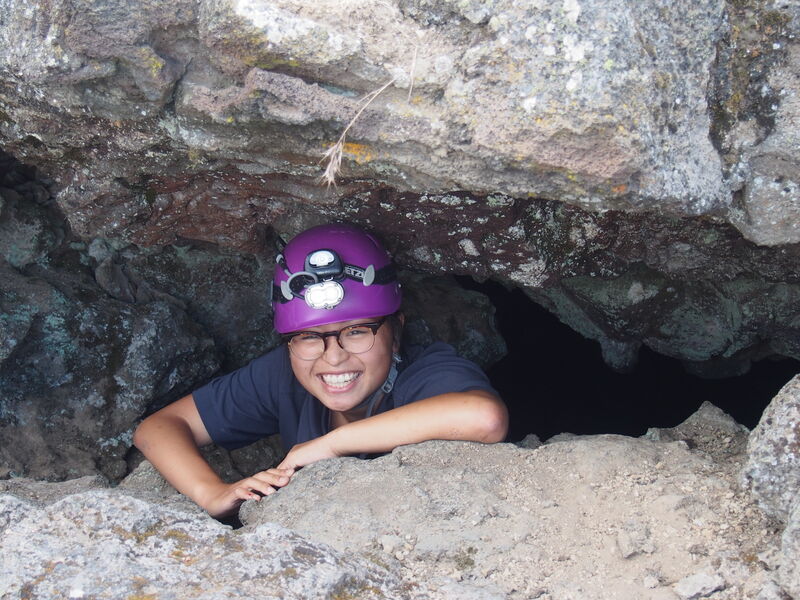
Caving in lava beds. Photo credit to the National Park Service.
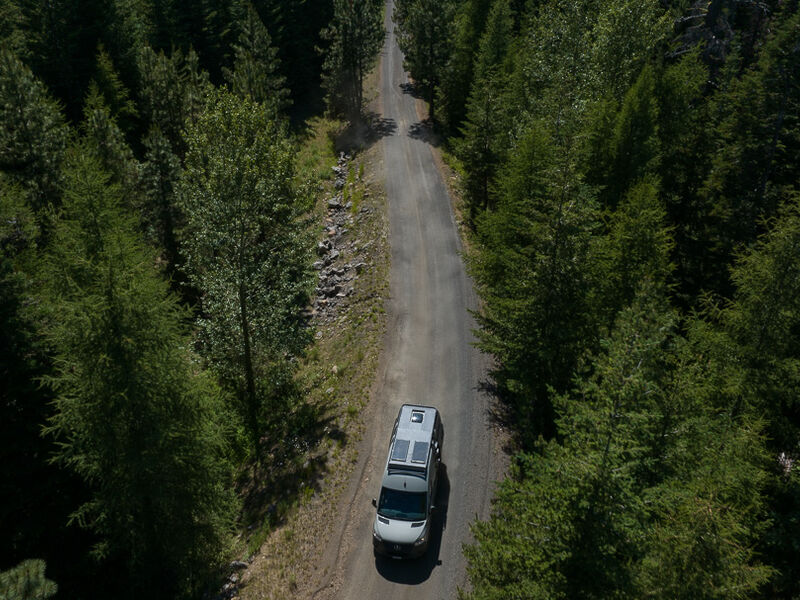
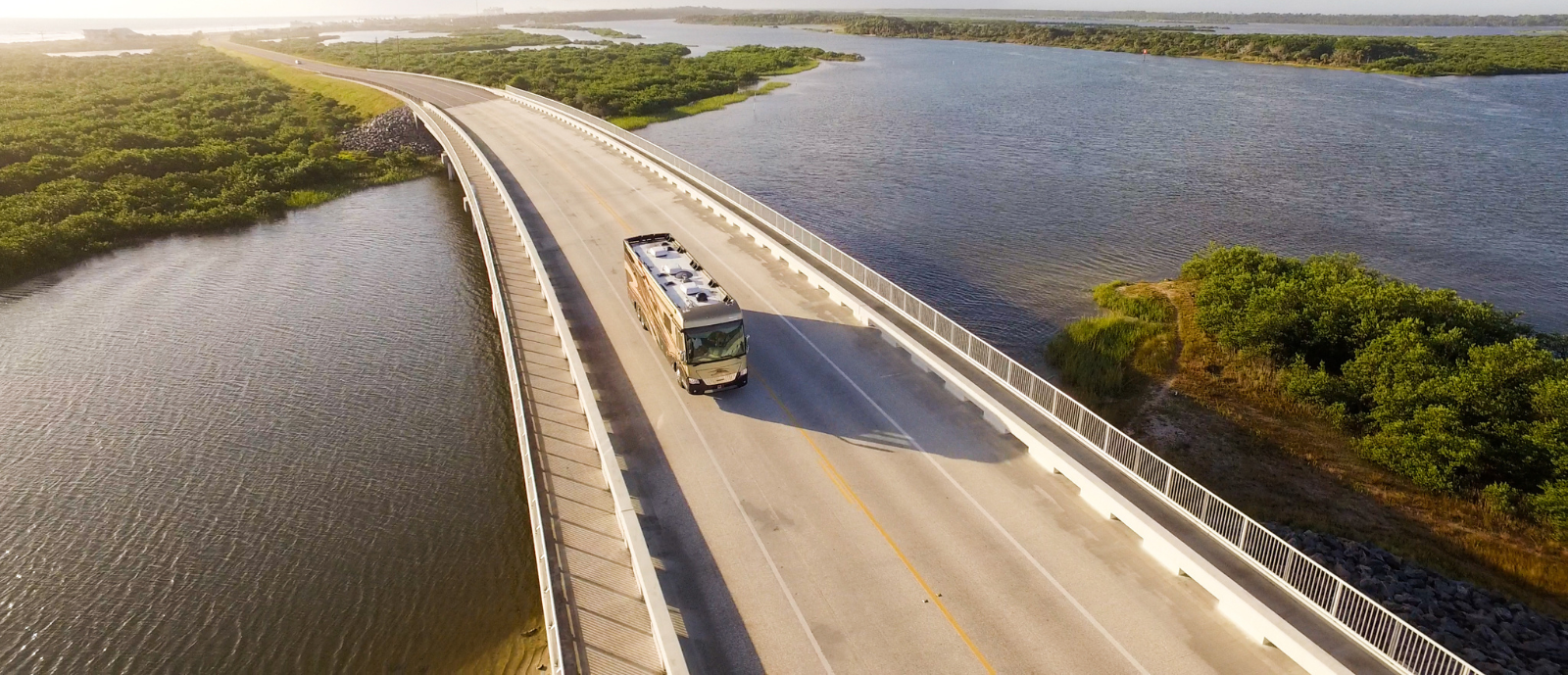
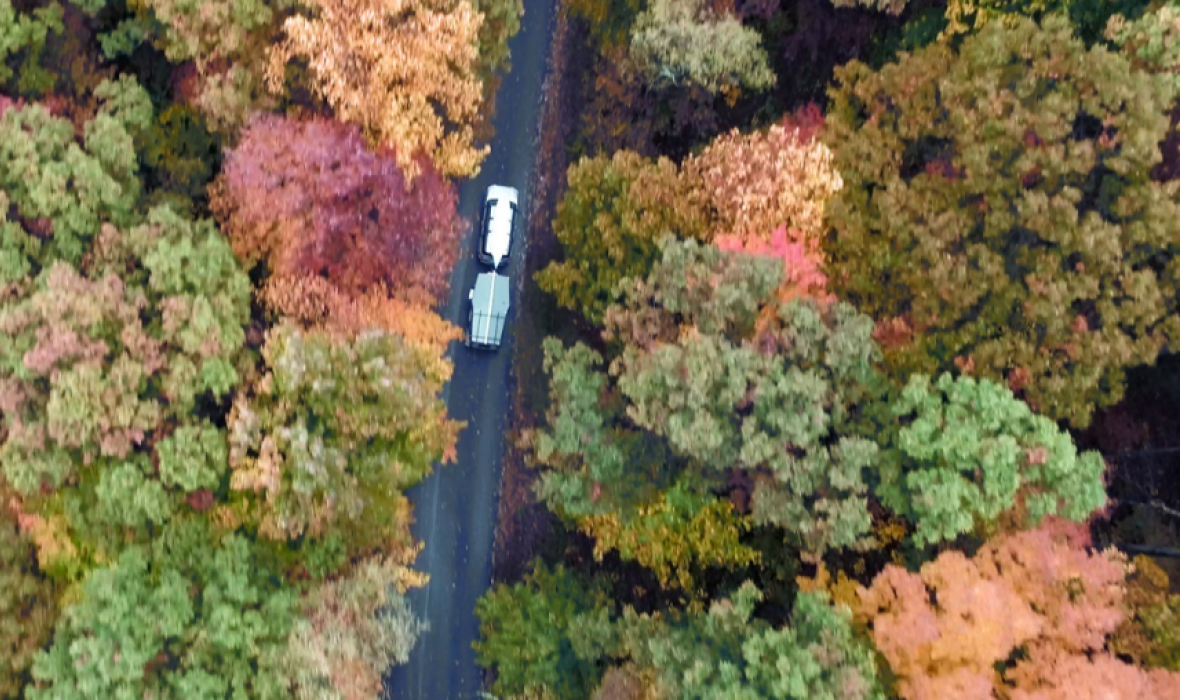
An aerial view of an RV adventure.
Must-See Stops
1) Crater Lake National Park in Oregon: Home to America’s deepest lake at 1,949 feet; famous for its intensely blue water.
2) Lassen Volcanic National Park: Steaming fumaroles, mudpots, and multiple volcanoes, including 10,457-foot Mount Lassen.
3) Lava Beds National Monument in California: More than 800 caves, Native American rock art, and historic battlefields.
4) McArthur-Burney Falls Memorial State Park in California: A stunning 129-foot spring-fed waterfall with black swifts nesting behind the cascade.
5) Mount Shasta: This 14,179-foot Northern California landmark is one of the largest stratovolcanoes in the world and features seven active glaciers as well as the Mt. Shasta Ski Park.
Why RV Travelers Love This Stretch
The byway is remote and sprawling — the type of region where an RV truly shines. Many of the best sights sit far from towns, making RV campgrounds the most convenient (and sometimes only) basecamps for early-morning hikes, late-evening stargazing, or spontaneous scenic detours.
Campgrounds Along This Route Include:
1) Crater Lake Resort in Fort Klamath, OR (open year-round): This resort, roughly 30 miles from Crater Lake, features RV sites as well as park model RV rentals and other accommodations. Nearby attractions include the Crater Lake Zipline, the longest in Oregon, with over 8,000 feet of cable, and the Train Mountain Railroad Museum, which features the world’s longest rideable miniature hobby railway.
2) Hat Creek Resort & RV Park in Old Station, CA: This campground is directly adjacent to the Pacific Crest Trail and just 11 miles from Lassen Volcanic National Park. The park is generally open from mid-April through October.
3) Lassen RV Resort & Campground in McArthur, CA: This campground is open for seasonal camping from mid-April through October and offers limited availability during the winter season. The campground offers spacious campsites that are nestled among dense groves of oaks and pines.
4) Mount Shasta City KOA Holiday in Mount Shasta, CA: This campground features RV sites as well as park model RV rentals. Amenities include a dog park and a game room.
Campground Recommendations
Crater Lake Resort in Fort Klamath, OR (open year-round):
Address: 50711 Crater Lake Highway, Chiloquin, Oregon 97626
Phone Number: (541) 381-2349Hat Creek Resort & RV Park in Old Station, CA:
Address: 12533 Highway 44, Old Station, CA 96071
Phone Number: (530) 335-7121Lassen RV Resort & Campground in McArthur, CA:
Address: 548-335 Old Highway Rd., McArthur, California 96056Mount Shasta City KOA Holiday in Mount Shasta, CA:
Address: 900 North Mt Shasta Blvd., Mt Shasta, CA 96067
Phone Number(s):
Reserve— (1-800) 562-3617
Information— (1-530) 926-4029
Days 4-6
Choose Your Own Adventure
It's time to transition from volcano country to the coastline! This connecting leg (your choice of route) lets you gradually trade volcanic peaks for coastal cliffs. Total driving distance between the northern Volcanic Legacy Scenic Byway attractions (like Crater Lake or Mount Shasta) and the start of the Big Sur Coast Highway is roughly 450–500 miles, depending on your route.
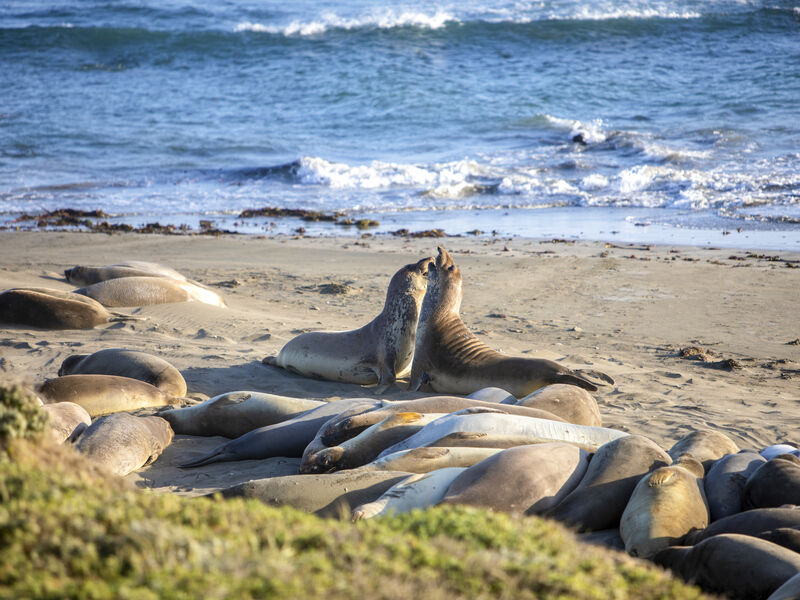
Seals on California's Central Coast. Photo credit to Swalls and Visit California.
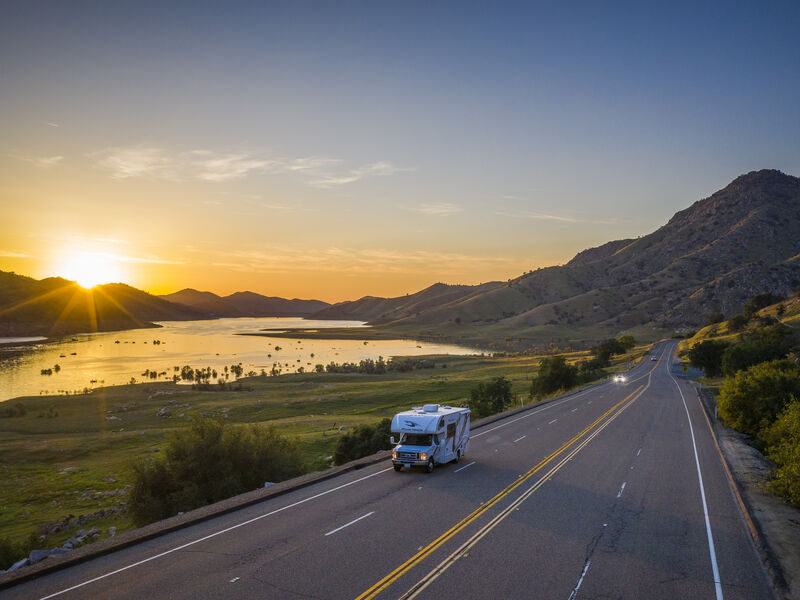
An RV travels along a California highway. Photo credit to Hasselblad and Visit California.
Must-See Stops
RVers can stop at scenic lakes such as Shasta Lake or Lake Almanor, explore charming mountain towns like Mount Shasta City, or pull off at forested rest areas and viewpoints along the way — the kind of spontaneous travel that hotels simply can't match. Outdoor enthusiasts can enjoy hiking, fishing, or even a quick kayak trip mid-drive, then unwind at an RV campground with all the comforts of home before hitting the coast.
Bonus!
For those who want an extra detour, consider the Avenue of the Giants Scenic Byway, a 31-mile drive through towering redwoods along California’s Highway 254. It’s an unforgettable, RV-friendly stop that pairs perfectly with this leg of the journey.
Days 7–9
Big Sur Coast Highway (State Route 1)
This iconic 71-mile coastline route running from Carmel to Ragged Point is best savored at RV speed to take in all the “wow” and “ah” moments to take in the sweeping views of the rugged cliffs hundreds of feet above the Pacific Ocean.
Note: There’s a temporary closure south of Big Sur that’s expected to re-open in March 2026, but the northern portion remains accessible and as breathtaking as ever. Check route details here.
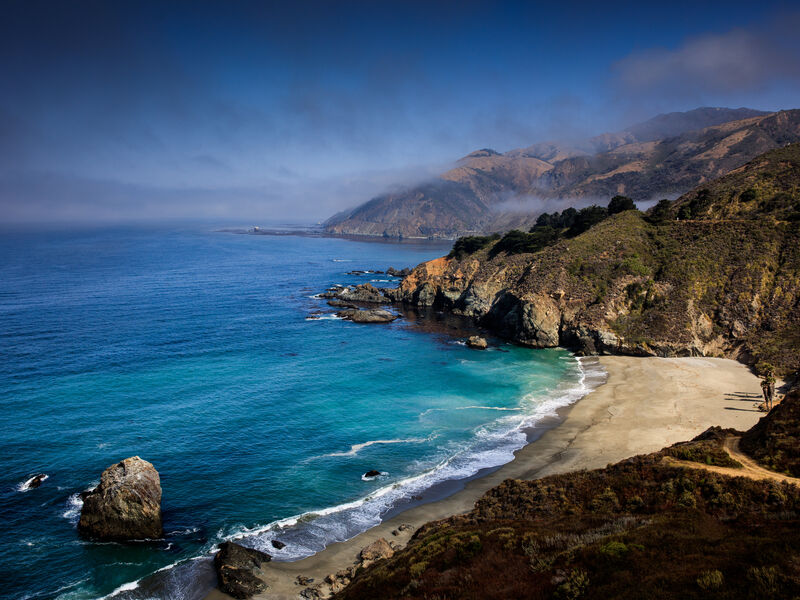
Big Sur coastline. Photo credit to Max Whittaker and Visit California.
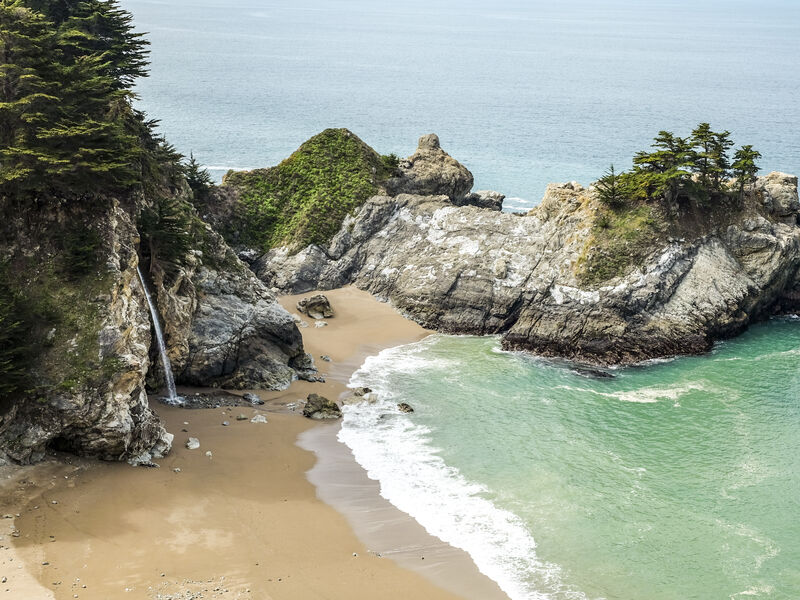
Julia Pfeiffer Burns State Park. Photo credit to Spiderplay and Visit California.
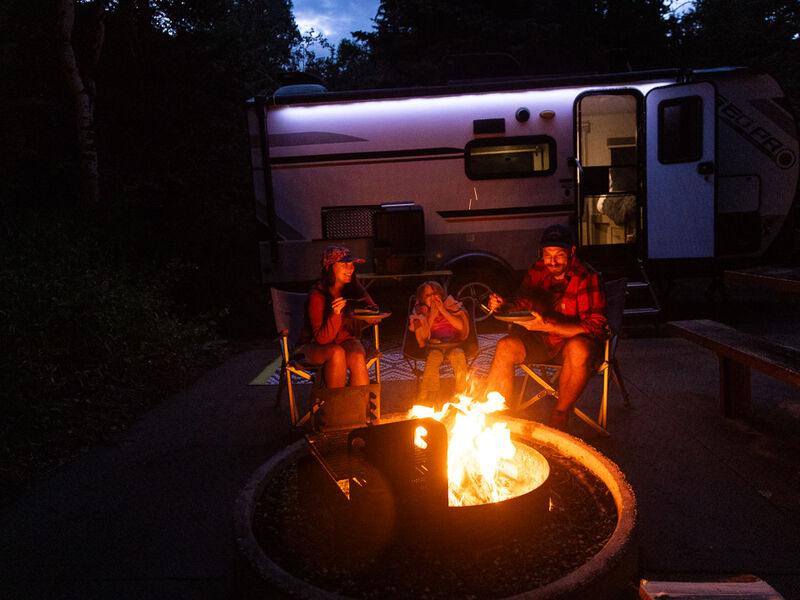
A family gathers around the campfire near their RV.
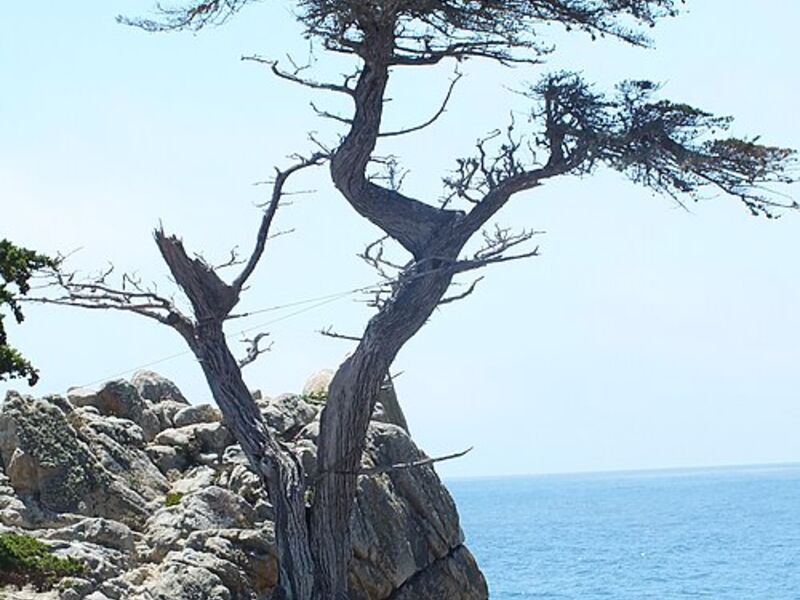
The Lone Cypress. Photo credit to Wikipedia.
Must-See Stops
1) The Carmel Mission: Founded in 1771; home to historic mission artifacts including the Caravaca Cross, the personal cross that Junipero Serra brought from Mallorca, Spain to the New World. The Cross is considered to be one of the most significant artifacts of California’s colonial mission history.
2) Julia Pfeiffer Burns State Park near Big Sur: Redwoods, chaparral, and an 80-foot waterfall plunging into the beach below, and lots of wildlife viewing opportunities, including seals, sea lions, and sea otters.
3) Point Lobos State Natural Reserve: This park, which many consider to be the crown jewel of California’s state park system, features some of California’s most beautiful coastal cliffs and rocky shoreline, along with pine forests draped in Spanish moss. The Australian landscape painter, Francis McComas, called Point Lobos “the greatest meeting of land and water in the world.” Famed photographers Edward Weston and Ansel Adams were captivated by Point Lobos as well, spending years exploring its forests and shores as they searched for the perfect photograph.
4) The 17-Mile Drive: This scenic drive passes through some of the most scenic locations on the Monterey Peninsula, including landmarks such as the famed “Lone Cypress” tree that stands atop a rock formation overlooking the Pacific Ocean, as well as the famed Pebble Beach Golf Course.
Campgrounds Along This Route Include:
1) Big Sur Campground & Cabins in Big Sur: Activities at this densely forested 11-acre campground include river tubing on the Big Sur River.
2) Carmel by the River RV Park in Carmel: This beautifully landscaped park is hidden off the main highway and features larger-than-normal RV sites with attractive landscaping and privacy barriers between campsites. Amenities include a recreation room and a camp store.
3) Fernwood Resort in Big Sur: This campground complements its RV sites with park model RV rentals and an on-site restaurant.
4) Riverside Campground & Cabins in Big Sur: This forested campground has 34 campsites and 11 cabins. The forest includes a mix of coastal redwoods, maples, oaks, laurels, and poplars. On-site activities include river tubing.
Campground Recommendations:
Big Sur Campground & Cabins in Big Sur
Address: 47000 Highway 1, Big Sur, CA 93920
Phone Number: (831) 667-2322Carmel by the River RV Park in Carmel
Address: 27680 Schulte Rd. Carmel, CA 93923
Phone Number: 1 (831) 624-9329Fernwood Resort in Big Sur
Address: 47200 CA-1, Big Sur, CA 93920
Phone Number: (831) 667-2422Riverside Campground & Cabins in Big Sur
Address: 47020 Highway 1, Big Sur, CA 93920
Phone Number: (831) 667-2414
Short on Time? Here’s a Quick Tip:
If you don’t have seven to 10 days to visit both Scenic Byways then choose either the volcanic or coastal option and stick to that. No matter where you end up along both routes, you’ll encounter plenty of opportunities to explore just beyond your RV door.
RELATED: An RV Adventure Through Scenic Big Sur
Final Thoughts
While the Federal Highway Administration's Scenic Byways and All-American Roads are as diverse as the country itself, these byways include some of the most attraction-packed roadways RVers are likely to ever encounter.
Special thanks to Visit California for their assistance with resources.