
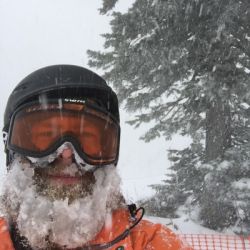
There are only a few things I love more than fly fishing. From casting the fly to managing the drift to the retrieval and recast, you’re completely engaged. You’re mending the line or watching the fly navigating the drifting current, waiting for it to be chomped by the trout just beneath the surface. There’s no time to dwell on work projects, relationship issues, or overdue electric bills if you want to catch that fish. Like the best camping trips, fly fishing allows you to rest and reboot your mind for a few hours.
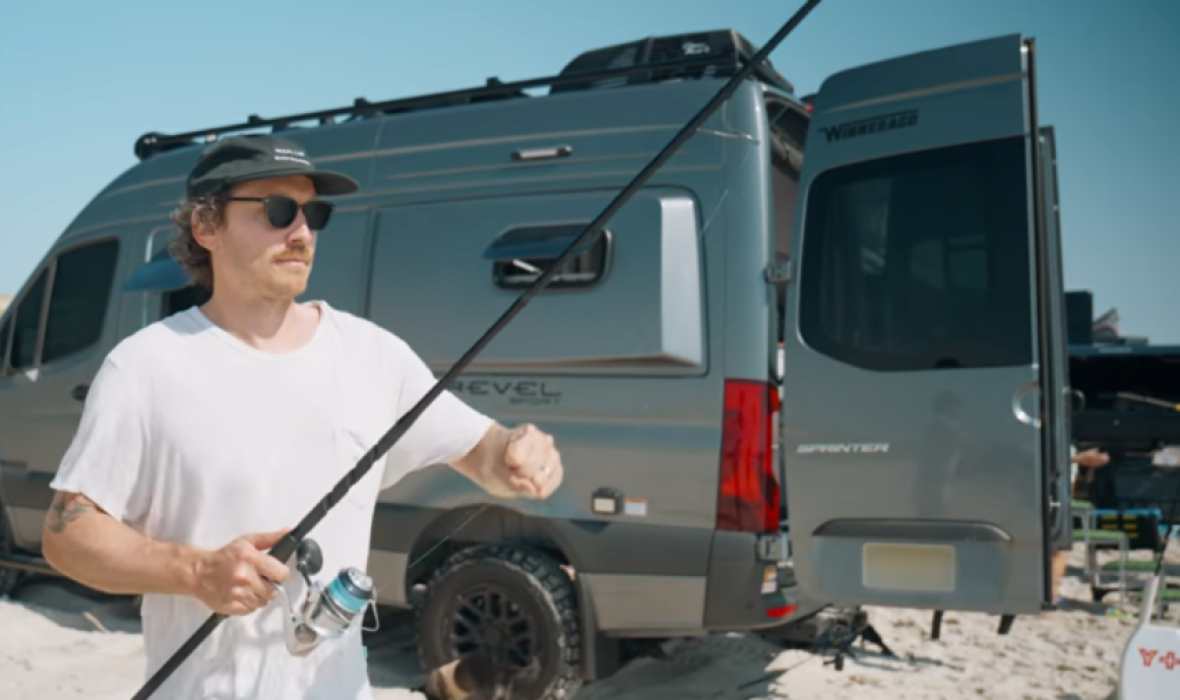
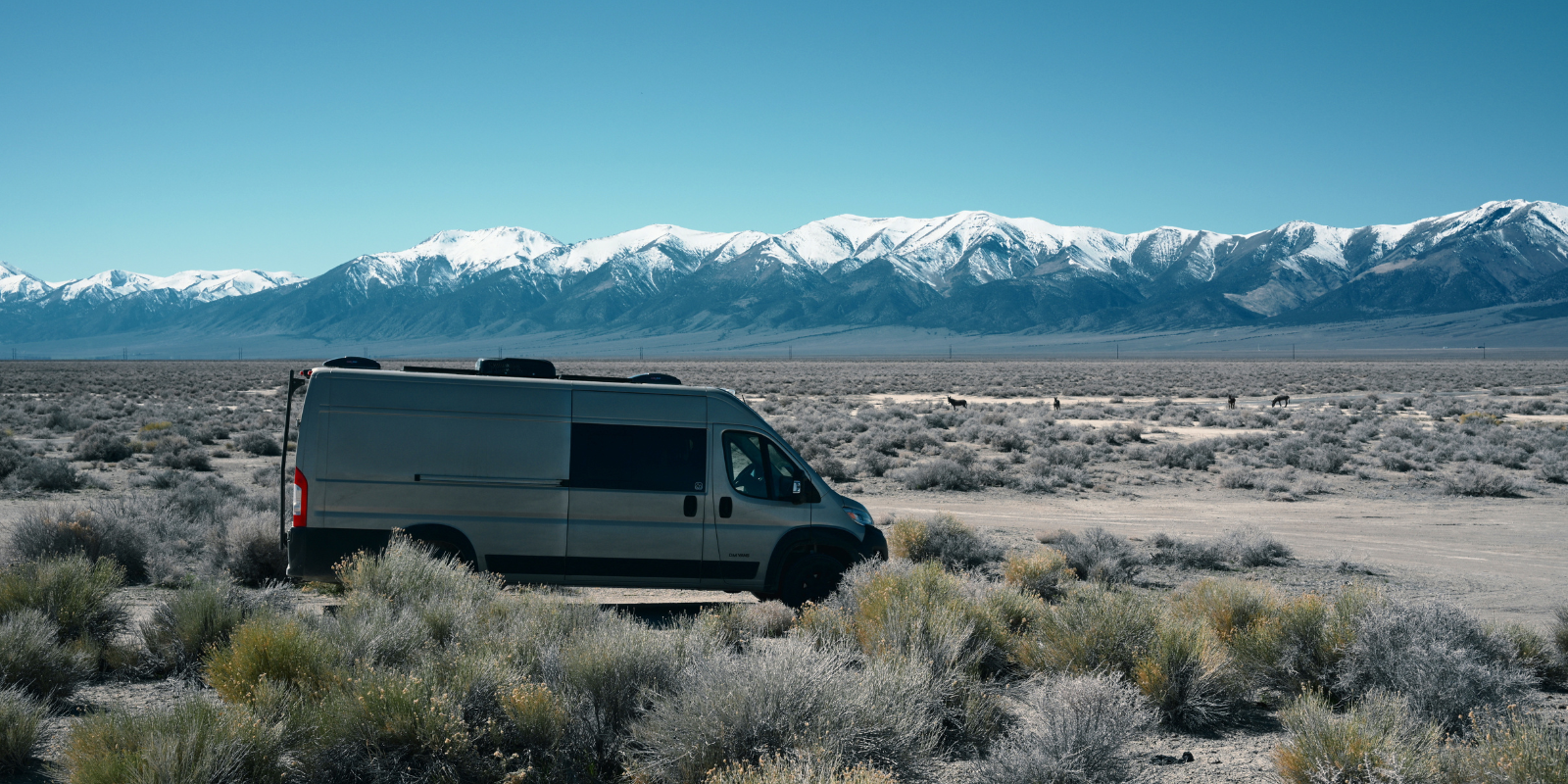
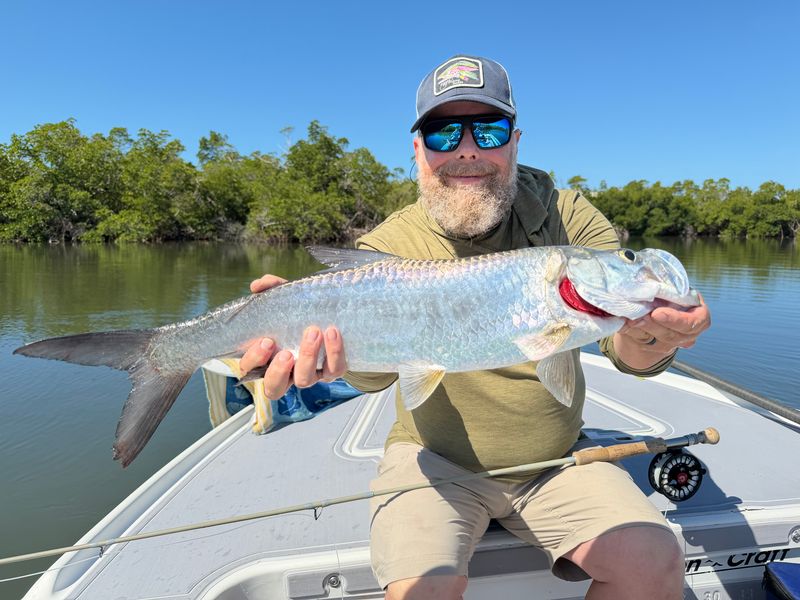
Normally, I fish for trout– brightly bespotted river dwellers that usually offer a lot of fight and abound throughout the US– but friends have long raved about another type of highly addictive fly fishing. Saltwater fish tend to be larger and more aggressive than their freshwater brethren. One of the most prized catches is tarpon, a silver-scaled saltwater sea monster that can top 200 pounds. I’ve watched numerous tarpon fly-fishing videos on YouTube and read Monte Burke’s excellent book Lords of the Fly, but I needed to finally try it for myself. In late April, I decided to take my Roadtrek Class B motorhome down to Florida to try my hand at saltwater fly fishing for the first time.
Reel Freedom
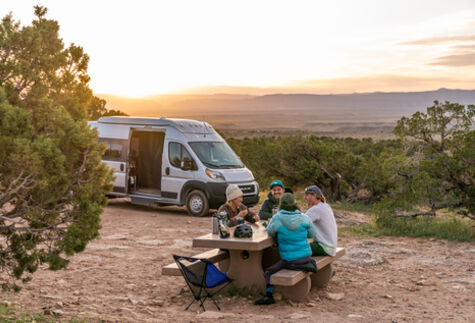
Having an RV as a basecamp for fly-fishing adventure is the best; I love waking up in the morning riverside, able to immediately hike down to the water. Off the river, I can easily strip off my boots and waders, crack open a cold drink, and reminisce about the day’s highlights with my fishing buddies. There’s a community of RV-loving fly anglers, and it’s always good to see them on the water or in the campground later.
Opening the side door to my campervan, you can see hints of my devotion to the sport. On the door’s interior, I have a row of flies hooked into the upholstery for easy access. Baseball caps emblazoned with names like Big Sky Anglers and Alaska Fly Fishing Goods are strewn about the RV. My rods are stored behind the driver’s seat; I have three or four fly-rod cases at the ready, just in case I have mere minutes to catch a fish in order to prevent some kind of worldwide catastrophe. (This could be the plot for the worst direct-to-video thriller never filmed.)
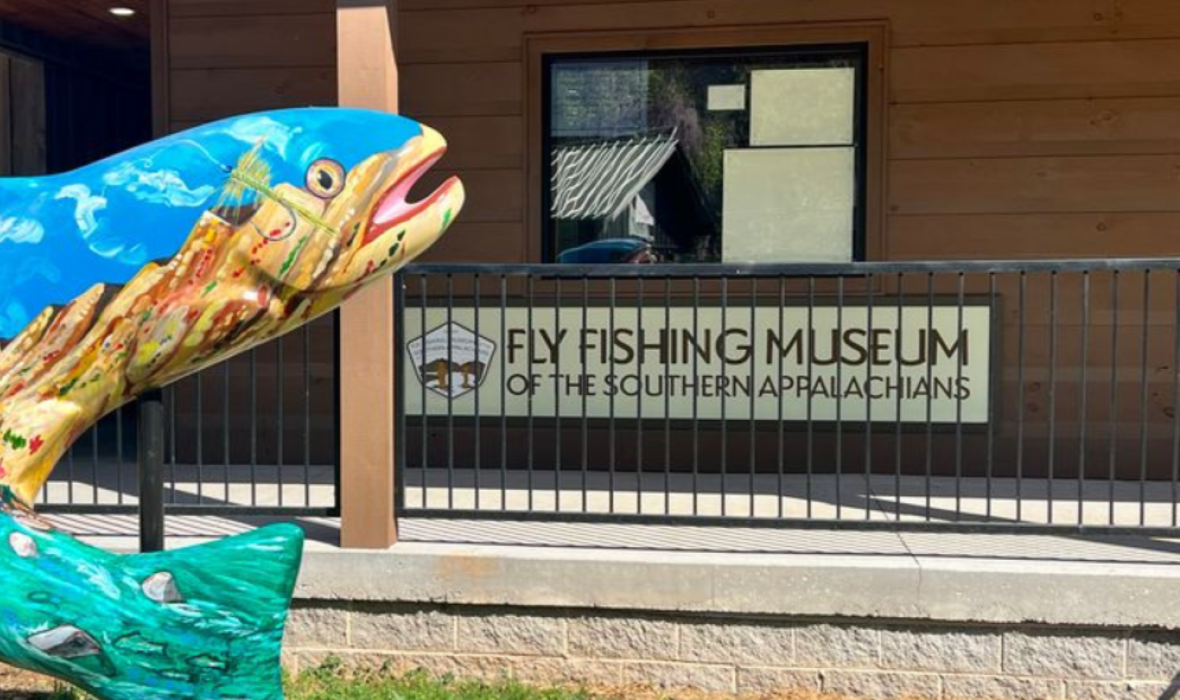
But why not make a few stops along the way to Florida? On the way to the Sunshine State, I decided to follow the famed Western North Carolina Fly Fishing Trail for several days, fishing some new-to-me water. North Carolina is known for its gorgeous brook, rainbow, and brown trout, and I hoped to catch all three on this trip.
Tracking Trout on the Tuckasegee
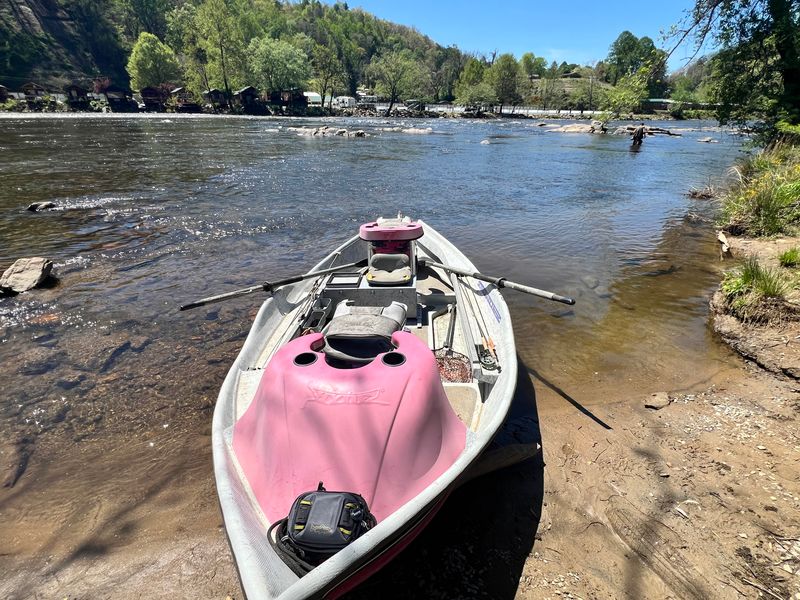
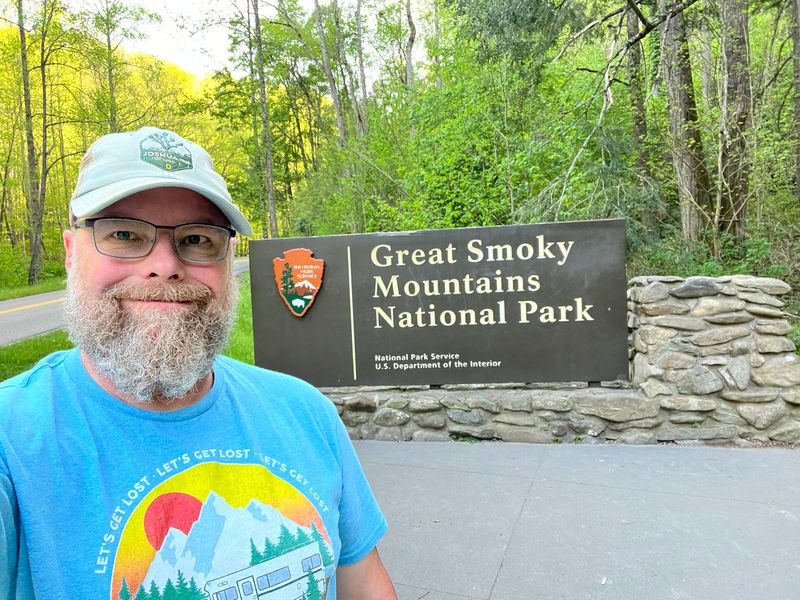
I started in Bryson City, where I stayed at Big Bear’s RV Park, located on Deep Creek. Deep Creek is a well-known spot for anglers in the area, and I wondered how many other fly fishers were staying at the campground as well. My guide, Gage of Fly Fishing the Smokies, graciously volunteered to show me the nearby Tuckasegee River, nicknamed the Tuck by locals. One of the most experienced guides on the river, despite only being in his 30s, Gage knew the river like Neil deGrasse Tyson knows black holes. On several occasions, he spotted trout from an impossible distance and told me to cast in that direction. I don’t know if he has super vision or just knew where the fish liked to hang out, but it worked. I managed to net four gorgeous rainbow trout, which wasn’t too bad for my first official time out in 2026.
The Tuck flows past the small towns of Sylva and Dillsboro, my next stops. I overnighted in the Dillsboro RV River Park, a small-ish campground on the banks of the river. This campground is an awesome place to stay if you’re into fly fishing. In the morning, I waded into the water to get a few casts in. But it turned out that it was an even more productive location at night. That spot across from my campground attracted lots of flying insects, which were promptly chomped by the trout. As soon as the sun began to dip below the horizon, it was like a switch was flipped; a virtual army of rainbow trout came to the surface, devouring any bug sitting on the top water. I would have stayed out all night if I could, despite not actually seeing where I was casting.
The next day, I moved onto a HipCamp campsite located on a private section of the North Mills River. My guide, Jon with DB Bar D Outfitters, and I sight-fished for rainbows and browns. I got lucky on a cast or two and pulled out a few pigs. After Jon left, I fished on my own for a bit. I’d wander one direction for a bit, fish, walk back to the camper van for a beer, then wander in the opposite direction for a while until I got thirsty again.
One of the great things about being in an RV is having access to gadgets. I’d installed a TravlFi XTR Pro 5G router in my camper van right before I left, so I was able to answer emails, work on articles, and, yes, watch YouTube fly-fishing videos at night. (I can’t help it, I’m obsessed.)
I finished my time in North Carolina in Pisgah National Forest near Brevard. I wanted to stay in the national forest campground, but the sites I wanted – near the water and with cell signal – were taken, so I ended up overnighting at a nearby Harvest Host. That’s one of the main benefits of traveling in an RV: you can roll with the punches more easily.
This was the first time I visited Pisgah without my mountain bike, and I felt some pangs of envy when I saw groups of riders whiz past me as I stood in the river, untangling another wind knot in my line. But then I remembered the multiple crashes, broken collarbone, hand, and ribs from my time in the saddle – I’d remember the concussions too, if only I hadn’t been concussed at the time – and suddenly the view from the water looked even better.
Catching tons of stocked fish can be a blast; I’ve had days where nearly every cast is followed by a tug on the line, and there’s not a moment when I don’t have a stupid grin plastered on my face. But challenging days can be fun as well. The Davidson was running lower than I ever remembered, so I spent the morning and afternoon wading upstream, searching for pockets of water that could hold fish. Although I didn’t catch as many fish as I did earlier in the week, I did net a beautiful little brookie on my last day, giving me the trifecta I was hoping for.
Saltwater Novice
My journey to Florida was a bit bumpier than my time in North Carolina, and, to make matters worse, my first day of saltwater fishing was cancelled. (A long story for a different article.) I was determined to make the most of my trip, though. Luckily, the scenery in and around Fort Myers allowed me to forget the headaches for a bit.
My guide Rob Lacey grew up in the waters surrounding Sanibel Island, fishing it for much of his life. Being that I was a newbie to saltwater fishing, trying to catch adult-sized tarpon or other fish wasn’t in the cards. Relatively speaking, it’s better to start small, even if the “baby” versions of tarpon and other fish are typically much larger than the trout I typically catch.
We motored to a densely packed mangrove forest on the water, where I cast through the trees to reach the pools underneath where the fish were congregating, hiding from even larger fish. Luckily, after a few lost fish – OK, maybe quite a few – I felt the tug and yanked the line. I kept hauling in line until Rob grabbed a little snapper from the water. For the next several hours, we repeated that cycle. I’d cast into the water underneath the mangroves and eventually hook a nice fish. Whether or not I could get it in the boat was another story.
Tarpon, even the relatively young ones, hate being caught and will leap in the air, trying to loosen the hook from their mouths. I’ve fought lots of trout over the years, but both tarpon and jack fight like you’re battling on the expert level of a video game. (I assume; the last video game I played with any regularity was Galaga.) Even when they fought their way off the hook, I was still smiling ear to ear from the sheer exhilaration of it all. When I finally did haul in my first tarpon, it almost felt like a graduation. Retiring to my campsite that night at Periwinkle Park – an awesome campground just a short stroll from the beach – I was nearly walking on air.
The End of the Road
My last stop was Panama City Beach. I stayed at the Raccoon River Campground, which is located next to a water park. I had other aquatic adventures in mind, however. The migratory tarpon hadn’t arrived that far north yet in late April, so we decided to target the area’s year-round attractions: redfish. I’m going to be honest; hunting redfish on the water of Panama City Beach was fun, but much more difficult than I anticipated.
Throughout the day, my guide Cleve warned me that catching a redfish here was the equivalent of winning a gold medal in fly fishing. Being a relatively famous fishery, these redfish have been pressured for a long time and now suffer from severe angler-related PTSD. They’re spooked by everything. After the previous day of feeling like I could do no wrong, on this day, I couldn’t do anything right.
After hours of trying and failing, it was time to call it a day. I can’t get too upset, however. I learned some valuable lessons about casting under pressure that I can take away from the experience, and that cliché about the worst day fishing being better than a good day at work? That’s totally true.
I still consider myself primarily a trout angler, but now that I’ve gotten a taste of saltwater fly fishing, I’m already itching to make the trip back in my RV. I know there’s a massive tarpon out there, just waiting to hit my fly.