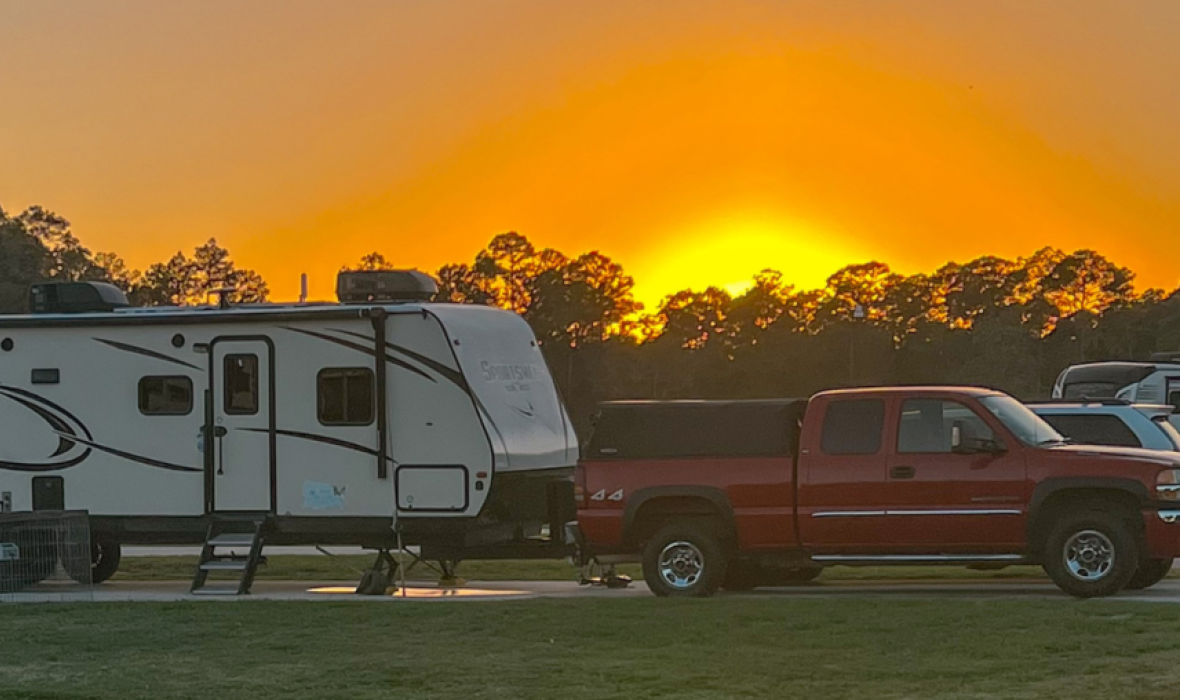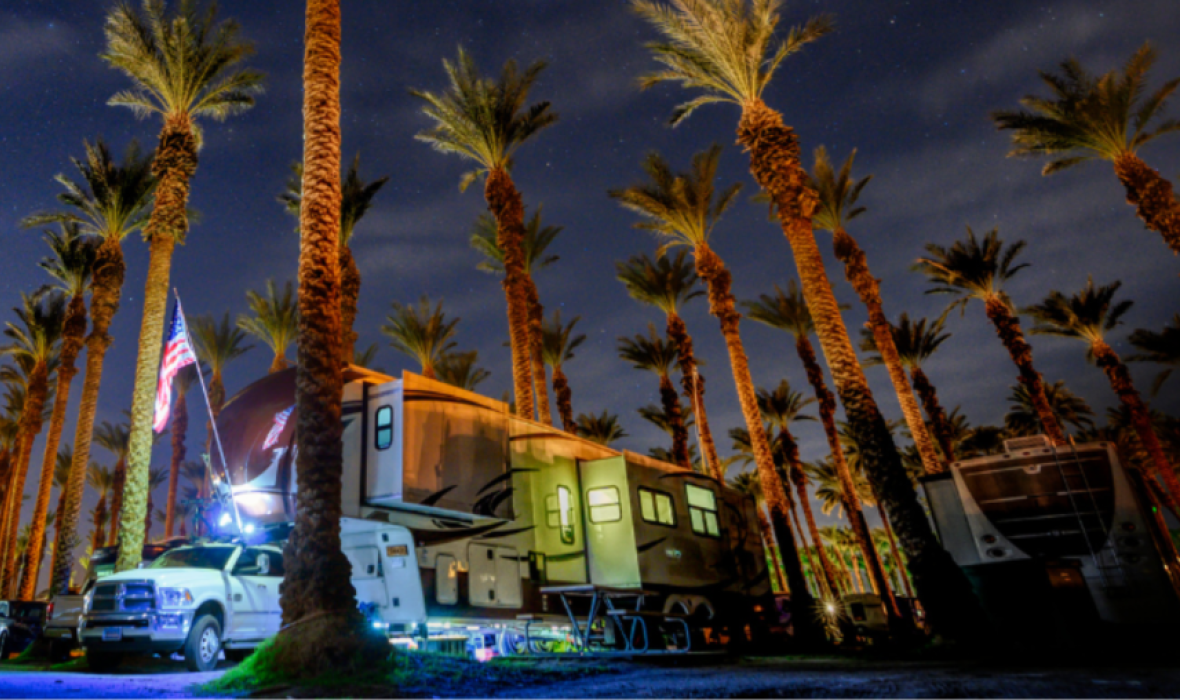
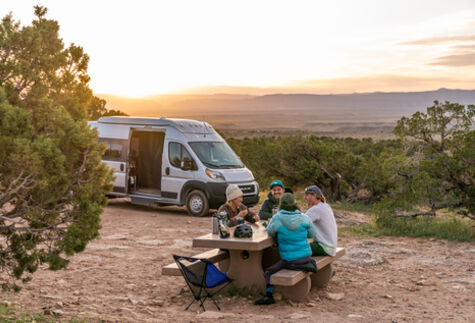




Once you’ve identified the type of RV you want—travel trailer, fifth wheel, motorhome, pop-up, or camper van—the next big step is choosing the right size and floor plan. With thousands of layouts on the market, finding the best match can feel overwhelming, but it doesn’t have to be. The more you understand how different floor plans support your everyday routines, travel style, and comfort needs, the easier it becomes to narrow your options.
These 10 tips will help you focus on the details that matter most, so you can walk into the dealership or browse RV shows with confidence and excitement.
1. Know Your Numbers
Before you fall in love with a floor plan, make sure it’s one your vehicle can safely handle. If you’re buying a towable RV, confirm both your towing capacity and payload capacity using your VIN. These numbers vary widely even within the same vehicle model, depending on the engine, axle ratio, tow package, and factory upgrades.
Understanding your towing numbers first will ensure that you limit your search to RVs your vehicle can confidently pull—and that keeps you safe on the road.
If you’re buying a motorhome, do the same research for any vehicle you intend to tow behind the RV (your “toad”). Make sure the weight of your car, SUV, or small truck fits within the motorhome’s towing capacity. It’s far easier to shop for RVs knowing every option on your short list will work for your current setup.
2. Decide on the Number of Beds You Actually Need
Sleeping arrangements are one of the most important aspects of RV living, especially for families. When choosing a floor plan, think realistically about who will travel with you most often.
If you’re a solo traveler or a couple, you’ll find countless layouts that prioritize one main sleeping area. Families with one or two children will appreciate travel trailers or motorhomes with bunk beds. And if you regularly camp with three or more kids, look for bunkhouses in fifth wheels or larger travel trailers with three or four bunks, or even a dedicated bunkroom with doors for extra privacy.
If you want a small or lightweight RV but still need multiple beds, look at Murphy bed layouts. These offer a dedicated sleeping area at night and valuable living space during the day.
Avoid relying on dinettes or sofas for nightly sleeping unless you truly plan to use them for occasional guests—they can become inconvenient for daily use.
3. Pick Your Bathroom Style: Wet Bath, Dry Bath, or No Bath
Everyone has different comfort levels when it comes to bathroom space. Some travelers want a roomy shower, private toilet area, and plenty of elbow room. Others are perfectly happy using campground facilities and simply want the convenience of an onboard option.
Smaller RVs, like compact travel trailers, Class B vans, and truck campers, often include wet baths, where the shower and toilet share the same space. They save room and work well for minimalist campers, but they’re not for everyone.
Dry baths separate the shower from the toilet and sink, and feel more like a traditional home bathroom. Larger RVs may even offer a bath-and-a-half or two-bath layout, which is helpful for big families or long trips.
Before you shop, decide whether a wet bath would work fine, or if you know you'll want the comfort and privacy of a full dry bath.
4. Know When—and How—You’ll Be Camping
Your camping season matters when choosing a floor plan. If you’re planning to camp in cooler temperatures, look for RVs with four-season features like insulated underbellies, upgraded ducting, thermal windows, or tank heaters. These upgrades can make shoulder-season or cold-weather camping much more comfortable.
If you dream of boondocking or camping off-grid, prioritize models with:
- Larger fresh, gray, and black tank
- Solar prep or solar package
- Generator prep or built-in generator
- Ample battery storage
- Propane capacity
Choosing a layout that supports your preferred style of camping helps minimize frustration and maximize comfort.
5. Think About Your Living Style Inside the RV
Everybody uses their RV differently. Some travelers spend most of their time outdoors and only come inside to sleep. Others love having a cozy interior for meals, game nights, rainy-day lounging, or movie marathons.
As you walk through floor plans, picture how you’ll live inside the RV:
- Can everyone sit comfortably to eat a meal together?
- Is the seating arrangement good for conversation or watching a movie?
- Will you step over sleeping bags or bedding to reach the bathroom at night?
- Is there enough floor space for kids or pets to move around?
A floor plan should support the rhythm of your travel days.
6. Consider Your Cooking Habits
Kitchens vary dramatically from one RV to another. If cooking is a big part of your camping lifestyle, pay attention to:
- Countertop space
- Pantry storage
- Refrigerator type (12 volt, 2-way, 3-way, or residential)
- Oven vs. convection microwave
Outdoor Kitchen Options
Outdoor kitchens can be a game-changer for campers who love grilling or cooking outside. But if you know you rarely use your RV’s kitchen appliances, you can skip features like ovens or outdoor kitchens in favor of more interior storage or open space.
Think about your typical meals and choose a layout that supports them.
7. Make a Plan for Working Remotely
Remote work has become a motivating factor for many new RV owners. If you plan to work from the road, look for a floor plan with a dedicated or flexible workspace.
Some RV types are especially popular for mobile offices:
- Toy haulers provide garage spaces that easily convert into offices.
- Fifth wheels often offer mid-bunk or rear-living designs with desks.
- Some travel trailers even include built-in desk nooks or extra counter space for laptops and monitors.
Think about lighting, seating comfort, outlet placement, and whether you need separation from the main living area for phone calls or video meetings.
8. Consider Interior and Exterior Storage
Storage can vary dramatically from one model to the next, even within the same size category. Think about the specific gear, supplies, and personal items you want to bring with you.
Outdoor storage is needed for:
- Bikes
- Kayaks
- Outdoor chairs
- Tools
- Grills
Indoor storage matters for:
- Clothing
- Linens
- Food and pantry items
- Kids’ toys
- Pet supplies
- Electronics and work gear
Try to picture where everything will fit. Open cabinets, look under beds, check for pass-through storage, and make sure the RV has room for your lifestyle.
9. Check What’s Accessible When the Slides Are In
One hidden difference between floor plans is what you can access during travel. Slides affect the interior layout significantly when closed. If you prefer the convenience of grabbing lunch at a rest stop or using your RV’s bathroom on the road, choose a floor plan that keeps essentials accessible.
When you’re touring RVs, don’t hesitate to ask the salesperson to bring the slides in so you can check:
- Can you walk to the bathroom?
- Can you open the refrigerator?
- Is there space to stand or sit inside?
- Can you reach the bedroom or a main sleeping area?
A great travel-day layout is one of the most underrated features of many RV floor plans.
10. Make a List of Must-Haves and Nice-to-Haves
Every RV comes with a different set of features. Knowing what matters most to you makes the search smoother and helps you avoid impulse decisions.
Must-haves differ for every traveler, but common examples include:
- A large awning for outdoor shade
- Exterior bathroom access (great for beach or lake trips)
- Outdoor shower for rinsing off pets, gear, or sandy feet
- Automated leveling, powered jacks, or a power tongue jack
- Smart storage, pass-through compartments, or gear racks
- Tech features like USB charging stations or outdoor speakers
- Rear-view or side-view camera prep
Creating your list before you shop helps keep you focused and confident as you compare models.
Enjoy the Process: Your RV Adventure Starts Here
Choosing your first RV floor plan is a process of discovering your preferences, your travel style, and the features that make camping comfortable for you. With so many great options available, there truly is a perfect layout for every type of RVer.
Take your time exploring, ask questions, step inside lots of models, and trust your instincts. Go RVing is here to help guide you through every step of the journey—because finding the right RV should be exciting, empowering, and fun.
Your next RV adventure is just a perfect floor plan away.